
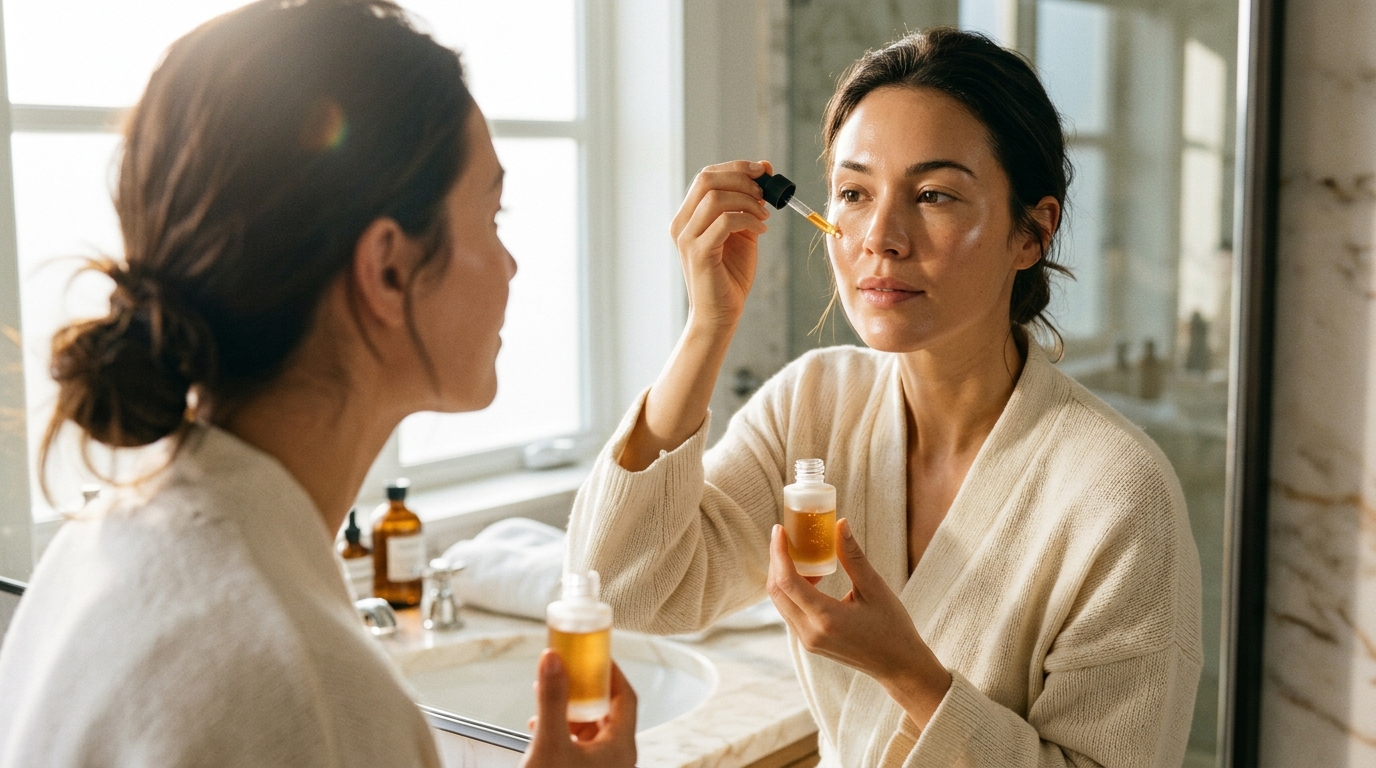
What Are the Benefits of Using a Serum for Skin Care?
If you have ever wondered whether a face serum is worth adding to your routine, the answer is a resounding yes—provided you pick the right formula for your skin. Serums occupy a unique space in skin care: they are lighter than creams, more concentrated than cleansers, and engineered to deliver active ingredients exactly where your skin needs them most. In this guide we break down the science, walk through every major benefit, match serums to skin types, and answer the questions dermatologists hear most often.
What Exactly Is a Face Serum?
A face serum is a lightweight, fast-absorbing skincare product packed with active ingredients. Unlike moisturizers or creams, serums are more concentrated, which allows them to penetrate deeper into your skin and target issues like acne, wrinkles, and uneven tone with precision. According to board-certified dermatologist Dr. Tsippora Shainhouse, serums are “thin-viscosity topical products that contain concentrated amounts of active ingredients.” The concept is that larger amounts of active molecules will potentially penetrate the skin’s surface for optimum effectiveness.
Serums typically sit between cleansing and moisturizing in your routine. Their small molecular structure is what sets them apart from heavier lotions—those smaller molecules help active ingredients seep deeply into the skin, ensuring targeted action such as hydration, exfoliation, or collagen stimulation.
Serum vs. Moisturizer—Why You Need Both
One of the most persistent myths in skin care is that a serum can replace your moisturizer. While serums are great for delivering potent ingredients deep into the skin, they do not provide enough hydration on their own. Moisturizers are still essential to help lock in moisture and nourish the skin’s barrier. Think of the relationship this way: a serum treats, and a moisturizer seals. Used together, they form a powerful one-two punch.
Moisturizers and creams primarily focus on hydrating the skin’s surface and creating a protective barrier to lock in moisture. Serums, by contrast, deliver targeted care against discolouration, dullness, fine lines, or blemishes after cleansing. Layering a serum under your moisturizer allows the concentrated actives to reach deeper layers first, then the cream locks everything in place.
7 Science-Backed Benefits of Using a Serum

1. Rapid Absorption and Deep Penetration
Because serums are formulated with smaller molecules and a thinner viscosity, they absorb more easily into your skin. This makes a face serum an ideal first step in the layering process. Unlike heavy creams, serums have a lightweight texture that feels comfortable on the skin and does not leave a greasy or sticky residue.
2. High-Potency Delivery of Active Ingredients
The hallmark of every good serum is its concentration. Skincare ingredients like hyaluronic acid, vitamin C, or retinol are more effective in a serum form because they are delivered directly into the layers of your skin that need them the most. A few drops go a long way—serum formulas ensure you get the maximum benefit from each application.
3. Anti-Aging and Wrinkle Reduction
Dermatologists frequently recommend serums for anyone concerned about aging. As Dr. Abigail Waldman of Harvard Medical School notes, serums offer “extra anti-aging effects, more than your typical moisturizer and sunscreen.” Ingredients like retinol help increase collagen production, unclog pores, and reduce the appearance of fine lines. Peptide-based serums support the skin’s natural collagen and improve elasticity over time.
4. Brightening and Even Skin Tone
Vitamin C is one of the best-studied brightening actives available. Research shows it can prevent brown spots, reverse damage from ultraviolet rays, and stimulate the growth of new collagen. When combined with ingredients like niacinamide or tranexamic acid, brightening serums fade dark spots and harmonise overall skin tone for a luminous, even complexion.
5. Deep Hydration Without Heaviness
Serums with hyaluronic acid can attract and retain moisture in the deepest skin layers, making the skin feel plump and look fresher. For people who dislike the heavy feel of traditional creams—especially during warmer months—a hydrating serum provides intense moisture without clogging pores. Ceramides in serums further strengthen the skin’s protective barrier and prevent water loss.
6. Acne and Blemish Control
Serums containing salicylic acid are particularly adept at gently exfoliating the skin and unclogging pores. Their lightweight, fast-absorbing nature allows for deep penetration, offering a targeted solution that is both gentle and effective for managing acne. Niacinamide-based serums can additionally help brighten skin and control oil production, reducing breakouts over time.
7. Environmental Protection
Many face serums contain antioxidants like vitamin C and vitamin E, which help protect the skin from environmental aggressors such as pollution and free radicals generated by UV rays. When used under sunscreen in a morning routine, an antioxidant serum creates an extra shield that supports the skin’s long-term health and resilience.
Powerhouse Ingredients and What They Do
| Ingredient | Primary Benefit | Best For |
|---|---|---|
| Hyaluronic Acid | Attracts and retains moisture; plumps skin | Dry, dehydrated, or mature skin |
| Vitamin C | Brightens, fights free radicals, boosts collagen | Dull skin, hyperpigmentation, sun damage |
| Retinol (Vitamin A) | Increases cell turnover; reduces wrinkles | Aging skin, mild acne |
| Niacinamide (Vitamin B3) | Strengthens barrier, reduces redness, controls oil | Oily, sensitive, or acne-prone skin |
| Salicylic Acid (BHA) | Exfoliates inside pores; prevents breakouts | Acne-prone, congested skin |
| Glycolic Acid (AHA) | Removes dead surface cells; refines texture | Rough texture, enlarged pores |
| Ceramides | Strengthens skin barrier; prevents moisture loss | Compromised barrier, eczema-prone skin |
| Peptides | Signals collagen production; firms skin | Aging skin, loss of firmness |
| Ferulic Acid | Stabilises vitamins C and E; amplifies antioxidant power | All skin types seeking protection |
Choosing a Serum by Skin Type
Oily or Acne-Prone Skin
Serums with their light preparations are often better for individuals with acne-prone or oily skin types. Look for water-based formulas containing niacinamide, salicylic acid, or zinc. Avoid oil-heavy serums that may contribute to congestion.
Dry or Dehydrated Skin
If your skin is dry, tight, and flaky, find a serum that contains vitamin E, niacinamide, and hyaluronic acid. Ceramide-rich serums are especially helpful because they help hold the skin together and keep moisture from escaping. You can apply a hydrating serum twice daily to help keep your skin dewy and moisturised.
Sensitive Skin
Sensitive skin responds well to gentle actives such as bakuchiol (a plant-based retinol alternative), centella asiatica, and low-concentration niacinamide. Always test a small area before you apply a skin serum widely, and use caution when combining acid-containing serums with other products that also contain acids.
Combination Skin
Sometimes it can be beneficial to use more than one serum at a time, applying different formulas to different zones of your face. A lightweight niacinamide serum can balance oil in the T-zone while a hyaluronic acid serum hydrates drier cheeks.
Mature Skin
Serums addressing aging concerns are often formulated with retinoids, peptides, and vitamin C. These ingredients help support the skin’s natural collagen, improve elasticity, and minimise the appearance of fine lines and wrinkles. Oil-based serums can also be beneficial for mature skin, providing an extra dose of moisture.
How to Apply a Serum for Maximum Results
- Cleanse first. Most serums work best when applied as the first layer, in direct contact with clean skin after you have used a cleanser.
- Apply on damp skin. A serum works best when applied after cleansing while your skin is still slightly damp. This improves absorption.
- Use the right amount. A few drops (typically two to four) are enough. Gently press—don’t rub—the serum into your skin.
- Layer thinnest to thickest. Apply skincare products from thinnest to thickest. Serum goes on before oils, moisturizers, and sunscreen.
- Follow with moisturizer. Always seal your serum with a moisturizer to lock in active ingredients and maintain hydration.
- Mind the clock. Some serums, like vitamin C, are best for morning use due to their protective effects. Others, like retinol, should only be used in your evening routine.
Mistakes That Undermine Your Serum
- Applying serum over lotion. Never apply serum over lotion because lotion can block the serum from absorbing into the skin.
- Using too much. These products are highly concentrated, so a little goes a long way. Applying too much serum can actually clog pores or cause irritation.
- Mixing conflicting actives. Your skin may get irritated if you use a vitamin C serum alongside a retinol cream, or layer multiple acid products simultaneously. Introduce one active at a time.
- Skipping patch tests. Powerful ingredients can irritate sensitive skin. Always patch-test before broad application.
- Expecting overnight miracles. The best serum will deliver clearer, brighter, more youthful-looking skin, but improvement in the overall health of your skin develops over time—typically four to twelve weeks of consistent use.
Key Takeaways
- Face serums are lightweight, concentrated formulations that deliver active ingredients deeper into the skin than moisturizers alone.
- Benefits range from anti-aging and brightening to hydration, acne control, and environmental protection.
- The right serum depends on your skin type and primary concern—there is no one-size-fits-all product.
- Apply serum after cleansing and before moisturizing for maximum absorption.
- A serum complements but does not replace your moisturizer—both are essential.
- Consistency matters: plan on at least four weeks of daily use before judging results.
Frequently Asked Questions
Can I use a serum every day?
Most serums—especially hydrating formulas with hyaluronic acid or niacinamide—are safe for daily use, morning and evening. However, potent actives like retinol or high-percentage acids may need to be introduced gradually. Always follow the directions on the product label or consult a dermatologist.
Do I still need a moisturizer if I use a serum?
Yes. While serums deliver potent ingredients deep into the skin, they do not provide enough hydration on their own. A moisturizer seals in the serum’s actives and reinforces the skin barrier.
What order should I apply my skincare products?
Apply from thinnest to thickest: cleanser, toner or essence (optional), serum, moisturizer, then sunscreen in the morning. This layering order ensures each product can absorb properly.
Are serums suitable for oily skin?
Absolutely. Serums with their light preparations are often better for individuals with acne-prone or oily skin types. Oil-free and water-based serums with niacinamide or salicylic acid can balance sebum without adding heaviness.
How long does it take to see results from a serum?
Most dermatologists recommend at least four to twelve weeks of consistent daily use before evaluating results. Some brightening and hydrating effects may appear sooner, while anti-aging outcomes take longer to become visible.
Can I layer multiple serums?
You can, but be mindful of ingredient interactions. Avoid combining retinol with strong exfoliants like AHA or BHA in the same application. A safe pairing is a hydrating serum (hyaluronic acid) under a protective antioxidant serum (vitamin C) in the morning.
What is the difference between a serum and a facial oil?
Serums are typically water-based and devoid of heavier oils, allowing rapid absorption. Facial oils tend to be formulated with emollients and are slightly heavier and thicker in consistency, making them better suited as a final sealing step in your routine.