
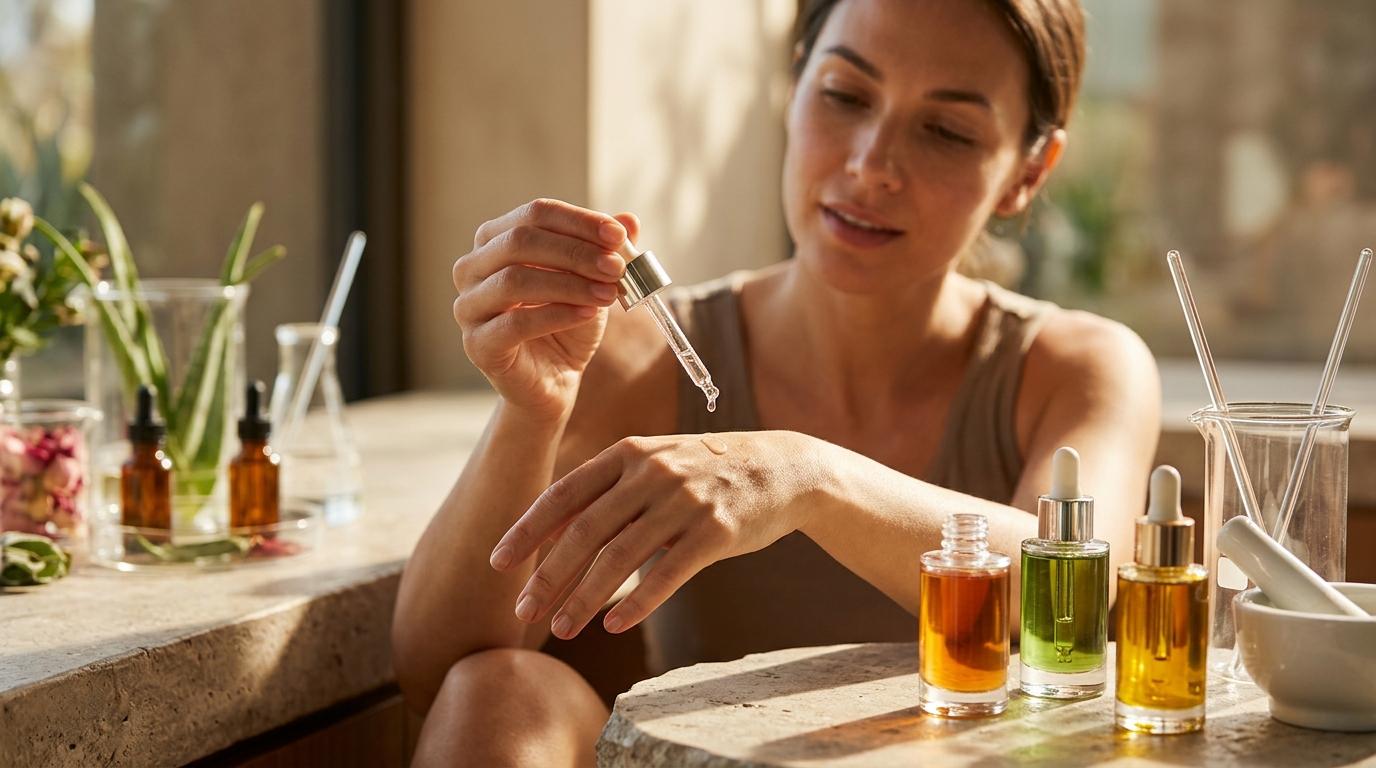
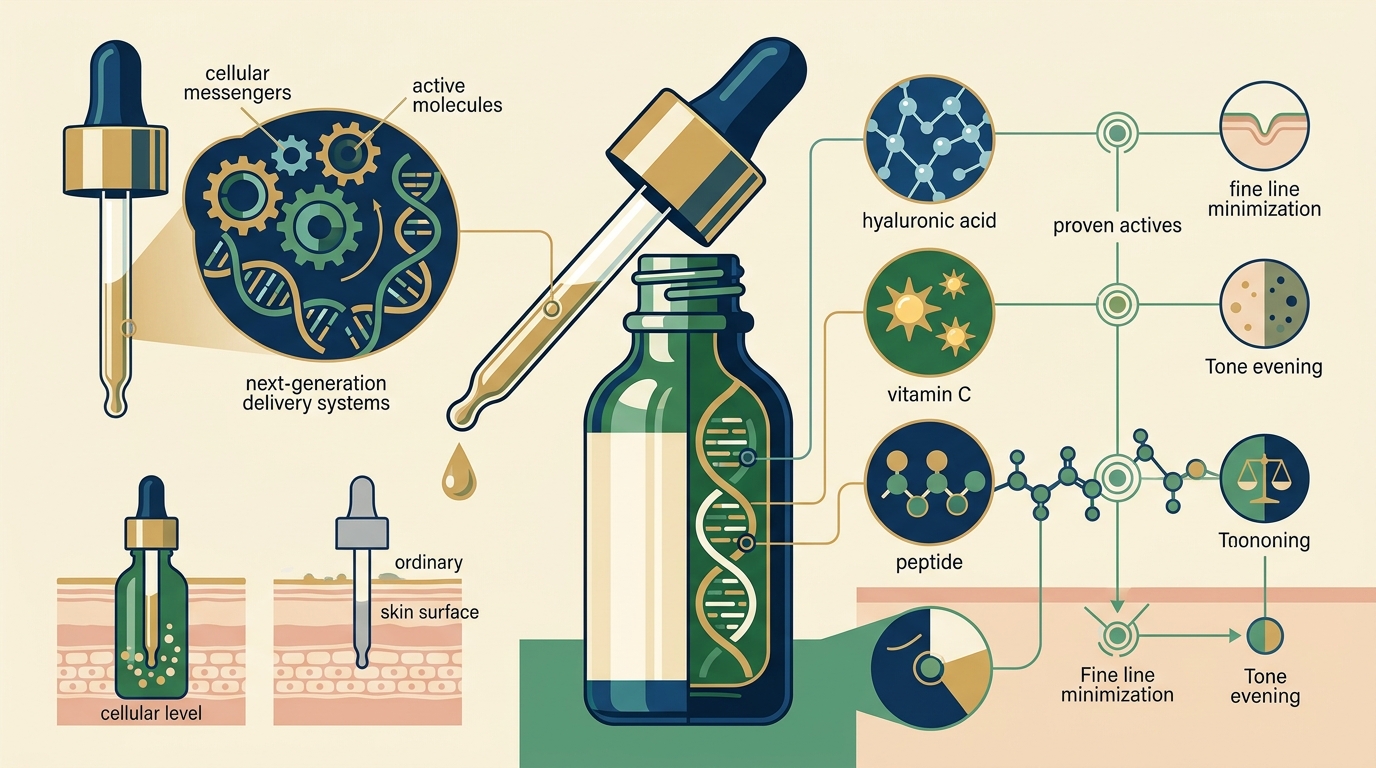
Not all serums are created equal. The difference between a product that transforms your skin and one that sits on the surface comes down to what is inside the bottle. With ingredient science evolving rapidly, today's most effective serums combine proven actives with next-generation delivery systems that communicate with your skin at a cellular level. Whether you are targeting fine lines, dullness, dehydration, or uneven tone, understanding which ingredients actually work empowers you to build a smarter routine. In this guide, we break down the essential serum ingredients worth your attention in 2026 and explain exactly why they matter.
Hyaluronic Acid: The Hydration Gold Standard
Hyaluronic acid (HA) is a naturally occurring polysaccharide that can hold up to 1,000 times its weight in water. It remains one of the most researched and widely used humectants in skincare. In 2026, advanced formulations now use multi-weight HA molecules for deeper penetration and longer-lasting hydration, as noted by Trilogy Laboratories.
Forever Bloom incorporates hyaluronic acid across its product line. The Vitamin C Bloom Cream blends HA with aloe vera and grape seed extract for deep hydration, while the Biomimic Foundation features soothing hyaluronic acid in its clean, dermatologist-tested formula.
Vitamin C: Brightening and Antioxidant Protection
Vitamin C is a potent antioxidant that neutralizes free radical damage, stimulates collagen synthesis, and visibly brightens skin tone. It inhibits melanin production, which helps lighten hyperpigmentation, dark spots, and melasma.
Stability Matters
Vitamin C serums are notoriously tricky to formulate due to the molecule's unstable nature. The most effective products use stabilized forms such as ascorbyl glucoside paired with ferulic acid to boost efficacy. Forever Bloom's Vitamin C Bloom Cream also leverages stable vitamin E, a natural moisture binder that acts as an antioxidant and helps slow the aging process.
Why It Works for Every Skin Type
Vitamin C can accelerate wound healing by supporting skin regeneration, making it valuable for acne scars and sun damage. It also strengthens the skin's barrier function, retaining moisture and improving hydration for healthier, more resilient skin.
Peptides: Cellular Messengers for Firmer Skin
Peptides are short chains of amino acids that act as biological messengers, signaling skin cells to perform specific tasks like collagen production and barrier repair. In 2026, highly sophisticated, multifunctional peptide complexes are engineered for anti-aging, deep moisture, and cellular repair with unprecedented precision, as reported by FREA Beauty.
Forever Bloom's Amino-Peptide Youth Recovery Complex combines four advanced amino acids with plant-derived neuropeptides to minimize the look of expression lines. Their neuropeptide skincare guide dives deeper into how this technology works at the cellular level.
Concentration Is Key
Not all peptide products deliver equal results. Peptides must be used at clinically effective levels to produce visible benefits. Many formulas include small amounts purely for marketing appeal, so choosing brands committed to science-backed concentrations is essential.
Niacinamide: The Barrier-Boosting Multitasker
Niacinamide is a form of vitamin B3 that strengthens the skin barrier, reduces redness, minimizes pore appearance, and regulates oil production. It pairs well with almost every other active ingredient, making it one of the most versatile additions to any serum formula.
This ingredient is particularly effective when combined with peptides and hyaluronic acid for a comprehensive approach to skin health. Products like Forever Bloom's Nourishing Night Glow Cream, enriched with a blend of nourishing ingredients and vitamin E, demonstrate how layered formulations deliver firmer, more resilient skin.
Emerging Ingredients Shaping 2026
Exosomes
Exosomes are tiny extracellular vesicles responsible for cell communication and regeneration. When used in skincare, they support skin regeneration, repair, and elevated cell function, as noted by Luxury London. They are primarily found in high-end serums designed to improve texture and boost collagen production.
Ectoin
Ectoin is a stress-protection molecule produced by extremophile microorganisms. It acts as a moisture-locking agent that helps strengthen the skin barrier, hydrate, and protect against environmental aggressors. Searches for ectoin skincare are up 86 percent in recent months.
PDRN (Polynucleotides)
PDRN is a fragment of DNA, typically derived from salmon, that encourages cell turnover, supports fibroblast activity, and improves elasticity. Searches for PDRN skincare have surged 700 percent recently according to Cult Beauty data, making it one of 2026's breakout actives.
Ingredient Comparison Table
| Ingredient | Primary Benefit | Best For | Pairs Well With |
|---|---|---|---|
| Hyaluronic Acid | Deep hydration | All skin types, especially dry | Ceramides, glycerin, vitamin C |
| Vitamin C | Brightening and antioxidant defense | Dull, uneven, sun-damaged skin | Vitamin E, ferulic acid |
| Peptides | Collagen stimulation and firming | Aging, loss of elasticity | Hyaluronic acid, niacinamide |
| Niacinamide | Barrier repair and pore reduction | Oily, sensitive, combination | Peptides, hyaluronic acid |
| Exosomes | Cell regeneration | Post-procedure, advanced aging | Growth factors, peptides |
| Ectoin | Stress protection and hydration | Sensitive, environmentally stressed | Ceramides, HA |
| PDRN | DNA repair and elasticity | Mature, repair-focused routines | Retinoids, vitamin C |
Key Takeaways
- Hyaluronic acid remains the top humectant; look for multi-weight formulas for deeper hydration.
- Vitamin C is essential for brightening, collagen support, and antioxidant protection, but stability of the formula matters.
- Peptides act as cellular messengers that signal skin to repair itself; clinically effective concentrations are critical.
- Niacinamide is the most versatile active, pairing well with nearly every other ingredient.
- Emerging ingredients like exosomes, ectoin, and PDRN are pushing skincare toward regenerative, cellular-level science.
- The best serums use intelligent delivery systems, like Forever Bloom's Biomimic technology, to help actives communicate with skin more effectively.
- Always choose non-toxic, science-backed formulations free from parabens and artificial fragrances.
Frequently Asked Questions
What is the most important ingredient in a skincare serum?
There is no single "best" ingredient because it depends on your skin concern. For hydration, hyaluronic acid leads. For brightening and anti-aging, vitamin C and peptides are top choices. The most effective serums combine multiple actives in synergistic formulas.
Can I use multiple serums at the same time?
Yes, but layering order matters. Apply water-based serums (like HA or niacinamide) first, then oil-based formulas. Avoid mixing direct acids with retinol in the same application to prevent irritation.
How long does it take for a serum to show results?
Most serums require four to eight weeks of consistent use for visible results. Some hydrating ingredients like hyaluronic acid deliver immediate plumping, while peptides and vitamin C need longer to build cumulative benefits.
Are peptides better than retinol for anti-aging?
Peptides and retinol work differently. Retinol accelerates cell turnover, while peptides signal collagen production. Peptides are generally better tolerated and can be used alongside retinol for a comprehensive anti-aging strategy.
What makes Forever Bloom serums different?
Forever Bloom uses proprietary Biomimic technology rooted in cellular skincare science. Their formulas are non-toxic, paraben-free, and designed to enhance skin regeneration at the cellular level using advanced peptides and plant-derived actives.
Should I use a serum if I have sensitive skin?
Absolutely. Look for serums with calming ingredients like niacinamide, ectoin, or hyaluronic acid. Avoid high-concentration acids initially. Forever Bloom's dermatologist-tested products are hypoallergenic and formulated for sensitive skin.
Do expensive serums work better than affordable ones?
Price does not always correlate with efficacy. What matters is the concentration of active ingredients, formula stability, and the delivery system used. Some affordable serums outperform luxury options, but advanced technologies like biomimetic carriers often justify a higher price point.
What is Biomimic technology in skincare?
Biomimic technology is a formulation approach that creates products designed to mimic and communicate with the skin's natural biological processes. Forever Bloom pioneered this approach in their skincare and foundation line, using biomimetic carriers to improve ingredient absorption and performance.
Start Your Serum Journey
Ready to experience the difference that science-backed, cellular skincare can make? Explore Forever Bloom's full collection of serums and treatments, all built on Biomimic technology and formulated without parabens, phthalates, or artificial fragrances. Browse the complete skincare collection and find the perfect serum for your skin goals today.