
Is Bakuchiol the Natural Retinol Alternative Your Skin Has Been Waiting For?
What Is Bakuchiol and How Does It Work?
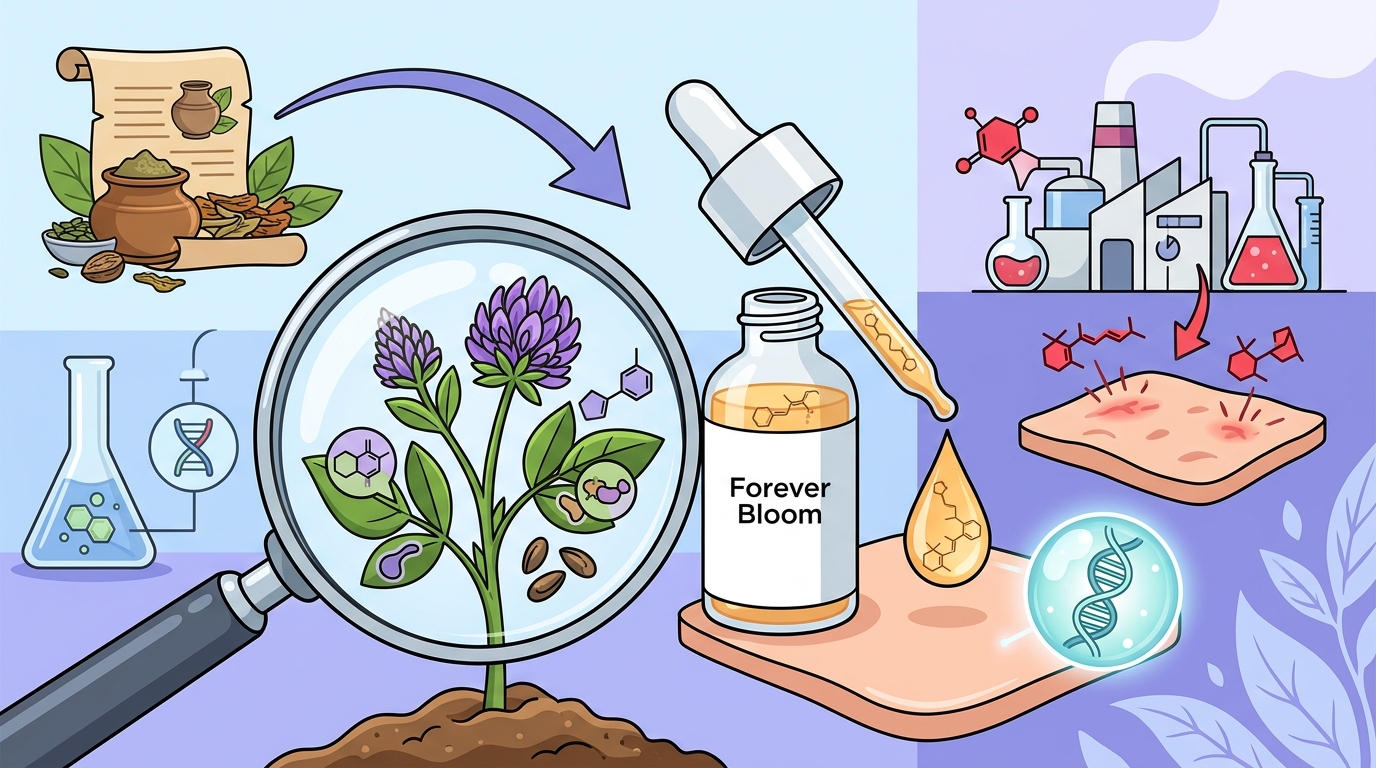
Bakuchiol is a plant-derived polyphenol extracted from the seeds and leaves of the Psoralea corylifolia plant, also known as babchi. It has been used in traditional Ayurvedic medicine for centuries to treat various skin conditions. In modern dermatology, bakuchiol is recognized as a natural alternative to retinol, offering similar anti-aging benefits without the harsh side effects. Unlike synthetic retinoids, bakuchiol works by modulating gene expression and reducing inflammation, which helps improve skin texture and tone. For additional details, review the Frequently Asked Questions.
The mechanism of action for bakuchiol involves the regulation of key genes involved in skin aging. It helps to reduce the appearance of fine lines and wrinkles by promoting collagen production and improving skin elasticity. This is achieved through its ability to inhibit matrix metalloproteinases, enzymes that break down collagen. By protecting collagen, bakuchiol helps maintain the structural integrity of the skin, leading to a more youthful appearance. For additional details, review the About.
Clinical Evidence: Bakuchiol vs. Retinol
The efficacy of bakuchiol as a retinol alternative is supported by robust clinical data. A prospective, randomized, double-blind assessment published in PubMed demonstrated that bakuchiol is comparable with retinol in its ability to improve photoageing. The study found that bakuchiol was better tolerated than retinol, making it a promising alternative for individuals with sensitive skin. This evidence is crucial for consumers looking for effective yet gentle skincare solutions.
In the study, participants using bakuchiol showed significant improvements in skin texture, tone, and elasticity, similar to those using retinol. However, the bakuchiol group experienced fewer adverse effects, such as redness, peeling, and dryness. This superior tolerability profile makes bakuchiol an attractive option for those who have struggled with retinoid-induced irritation. The data suggests that bakuchiol can deliver the desired anti-aging results without compromising skin comfort.
Benefits for Skin Cellular Health
How to Incorporate Bakuchiol into Your Routine
Incorporating bakuchiol into your skincare routine is straightforward and can be done at any age. It is generally recommended to apply bakuchiol in the evening, as it works best during the skin's natural repair cycle. Start by cleansing your face and applying a toner, then follow with a bakuchiol serum or cream. Allow the product to absorb fully before applying your moisturizer. If you are new to bakuchiol, start with a lower concentration and gradually increase as your skin builds tolerance.
It is important to use sunscreen daily, even when using bakuchiol, as it helps protect your skin from further damage. While bakuchiol is less irritating than retinol, it is still wise to be gentle with your skin. Avoid combining bakuchiol with other potentially irritating ingredients like high-strength AHAs or BHAs in the same routine, especially when you are first starting out. By following these guidelines, you can maximize the benefits of bakuchiol and achieve healthier, more youthful-looking skin.
Key Takeaways
- Bakuchiol is a plant-derived polyphenol that serves as a natural retinol alternative.
- Clinical studies show bakuchiol is comparable to retinol in improving photoaging.
- Bakuchiol is better tolerated than retinol, making it suitable for sensitive skin.
- Bakuchiol helps improve skin texture, tone, and elasticity without harsh side effects.
- Forever Bloom integrates bakuchiol into its Biomimic® cellular skincare line.
Frequently Asked Questions
Is bakuchiol safe for all skin types?
Yes, bakuchiol is generally safe for all skin types, including sensitive skin. It is less irritating than retinol, making it a good option for those who experience redness or dryness with traditional retinoids.
Can I use bakuchiol during pregnancy?
Bakuchiol is often considered a safer alternative to retinol during pregnancy, but it is always best to consult with your healthcare provider before starting any new skincare product.
How long does it take to see results with bakuchiol?
Most people start to see improvements in skin texture and tone within 4 to 12 weeks of consistent use. Results may vary depending on individual skin conditions and the concentration of bakuchiol used.
Can I use bakuchiol with other active ingredients?
Yes, bakuchiol can be used with other active ingredients like vitamin C and hyaluronic acid. However, it is best to avoid combining it with high-strength exfoliants if you have sensitive skin.
Where can I find bakuchiol products?
You can find bakuchiol products from various skincare brands, including Forever Bloom, which offers Biomimic® skincare designed to support cellular health and regeneration.