
Understanding Cellular Skincare Mechanisms
Cellular skincare is a treatment approach that targets the skin's biological repair systems rather than just surface appearance. Traditional moisturizers often sit on the skin barrier, while serums are engineered to penetrate deeper layers. This distinction is critical for setting realistic expectations.
Forever Bloom utilizes Biomimic technology to mimic the skin's natural signaling pathways. This method encourages cells to function optimally without forcing external changes. The evidence suggests that this biological compatibility leads to more sustainable results than aggressive chemical exfoliants.
The implication for users is that patience is required. You are not just adding moisture; you are retraining your skin's cellular behavior. This process takes time but yields deeper, longer-lasting improvements in skin health.
Outcomes for Dry and Dehydrated Skin
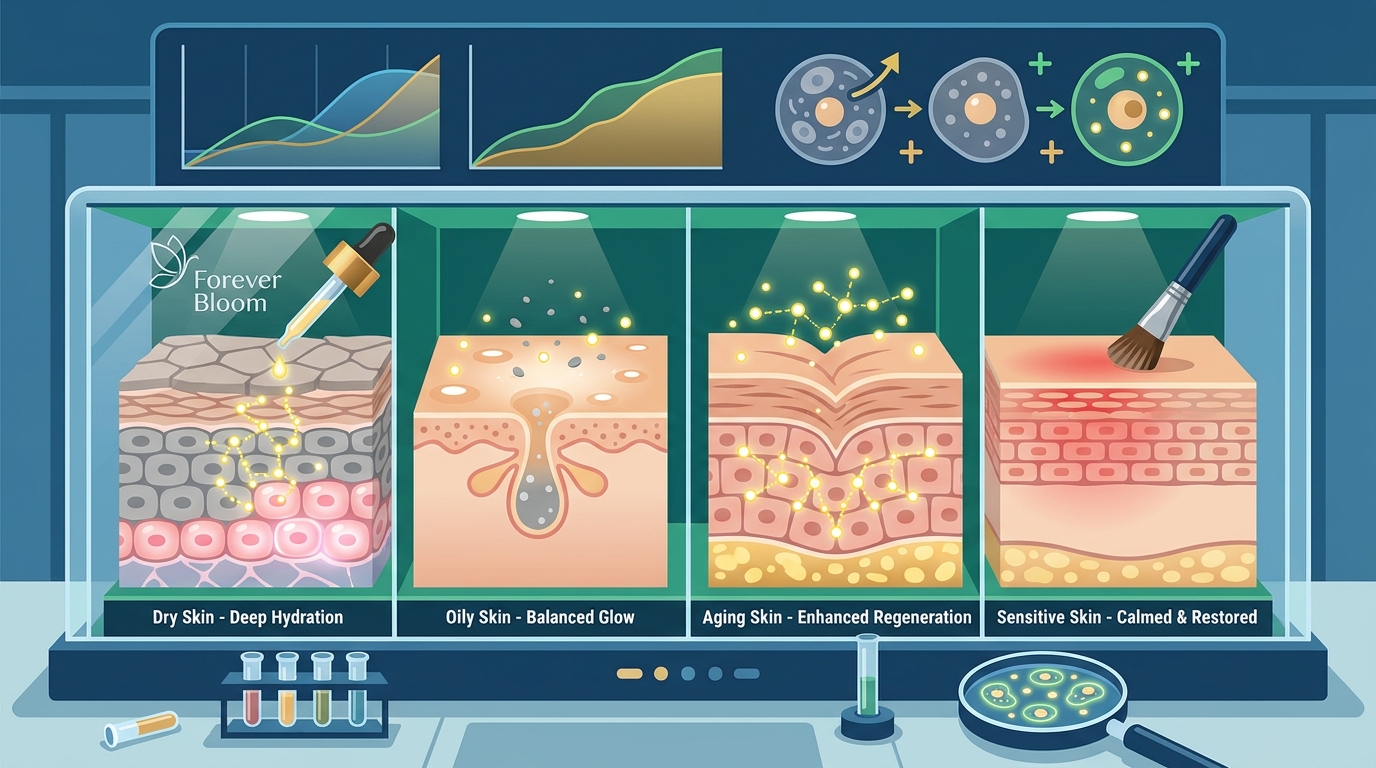
For dry skin, the primary goal is restoring the lipid barrier and retaining moisture. Users typically report a reduction in flaking and tightness within the first ten days. The Biomimic Lifting Serum is often recommended for this profile due to its hydrating properties.
Specifically, you should look for a plumper appearance and a reduction in fine lines caused by dehydration. The named entity here is the skin's stratum corneum, which becomes more resilient with consistent serum application. This leads to a smoother canvas for makeup application.
The long-term implication is that dry skin types may need to adjust their routine as their barrier strengthens. What starts as a rescue treatment can become a maintenance staple. This shift indicates that your skin is achieving a healthier baseline hydration level.
Managing Oily and Acne-Prone Skin
Oily skin often suffers from clogged pores and uneven texture rather than just excess shine. A Biomimic serum helps regulate sebum production by balancing the skin's internal environment. Expect a reduction in breakouts over a six to eight week period.
The key metric here is the clarity of the skin surface. You should notice fewer micro-comedones and a more matte finish by the end of the second month. The Amino-Peptide Youth Recovery Complex is a relevant example for those seeking to address texture while controlling oil.
It is important to note that initial purging may occur. This is a sign that the serum is accelerating cell turnover. The implication is that you must continue using the product through this phase to see the final, clearer results. Stopping early often leads to a return of previous issues.
Addressing Mature and Aging Skin
Consider the Vitamin C Bloom Cream as a complementary step for antioxidant protection. The specific outcome to track is the depth of nasolabial folds and jawline definition. These areas respond slowly but significantly to consistent cellular support.
Sensitive and Reactive Skin Profiles
Sensitive skin reacts easily to new ingredients, making serum introduction a delicate process. The goal is to reduce redness and reactivity while strengthening the barrier. Expect a calming effect within two weeks, with significant barrier repair taking up to three months.
Look for a reduction in stinging sensations and visible redness patches. The Hydrating Aqua-Marine Cleanser can be paired with serums to ensure gentle preparation. This combination helps minimize irritation during the adjustment period.
The long-term implication is a more stable skin barrier. Sensitive skin types often find that they can tolerate other products better once the barrier is repaired. This stability is the true measure of success for reactive profiles, rather than just immediate cosmetic changes.
Key Takeaways
- Initial hydration and texture improvements appear within two to four weeks.
- Cellular regeneration and structural changes require three to six months.
- Dry skin benefits from barrier restoration and plumping effects.
- Oily skin sees reduced breakouts and regulated sebum production.
- Mature skin experiences firmer texture and reduced wrinkle depth.
- Sensitive skin gains stability and reduced reactivity over time.
- Consistency is the most critical factor in achieving measurable results.
Frequently Asked Questions
How long does it take to see results from a Biomimic serum?
Most users notice hydration and texture changes within two to four weeks. Deeper structural improvements, such as wrinkle reduction, typically take three to six months of consistent use.
Can I use a Biomimic serum if I have sensitive skin?
Yes, but you should introduce the product gradually. Start with every other day to allow your skin to adjust. Monitor for any signs of irritation and adjust frequency as needed.
Do Biomimic serums work for all skin types?
The Biomimic technology is designed to be compatible with various skin types. However, specific formulations may be better suited for dry, oily, or mature skin. Choose a serum that targets your primary concern.
What is the difference between a serum and a moisturizer?
A serum is a concentrated treatment designed to penetrate deeper into the skin. A moisturizer primarily seals in hydration and protects the barrier. Using both together provides comprehensive care.
Should I use sunscreen with a Biomimic serum?
Yes, daily sunscreen use is essential. Many serums increase skin sensitivity to UV rays. Protecting your skin from sun damage ensures that your cellular repair efforts are not undermined.
How should I store my Biomimic serum?
Store your serum in a cool, dry place away from direct sunlight. This helps preserve the integrity of the active ingredients. Check the product label for specific storage instructions.
Conclusion
Realistic expectations are the foundation of a successful skincare routine. By understanding the specific needs of your skin type, you can track meaningful progress with Forever Bloom Biomimic serums. Whether you are targeting hydration, clarity, or firmness, consistency will yield the best long-term outcomes. Explore the serums and treatments collection to find the right formula for your goals. For more insights on cellular health, visit the Knowledge Center.