

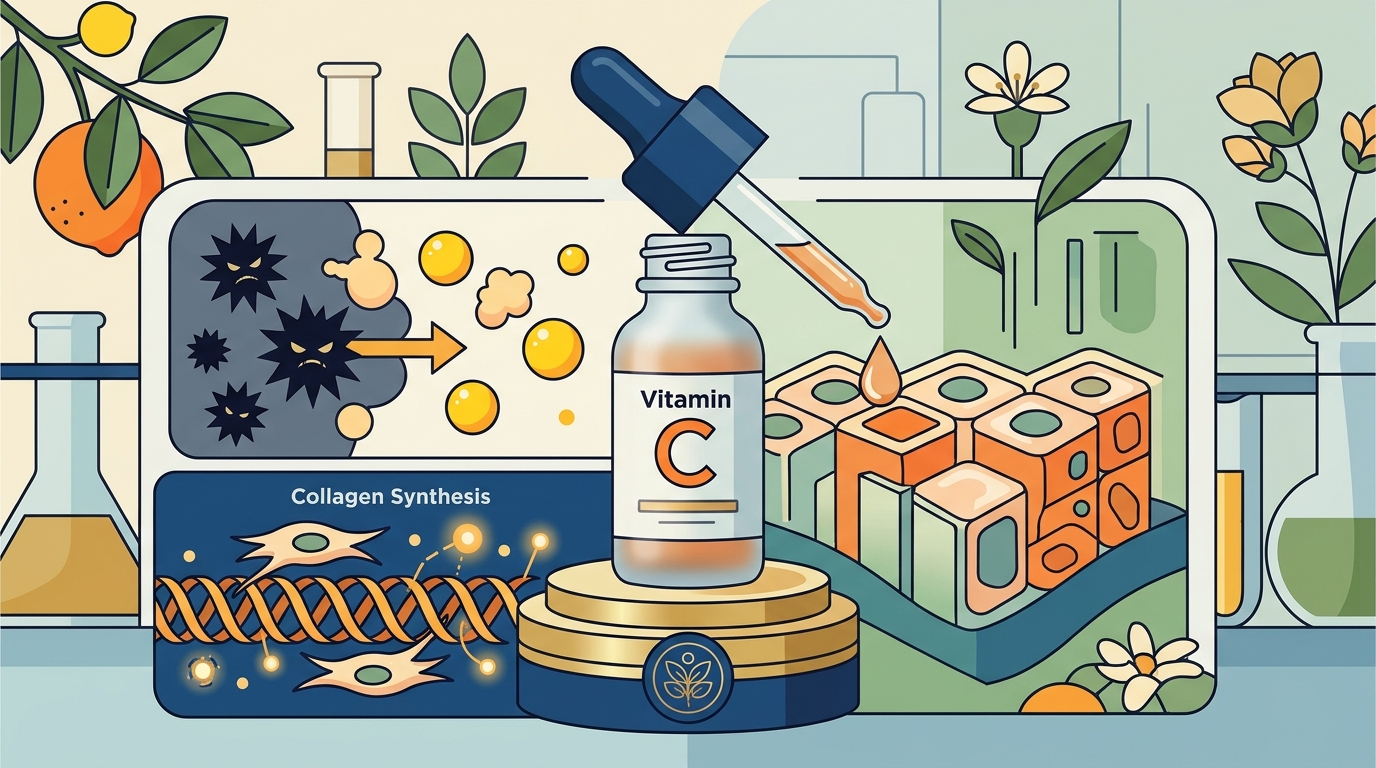
Vitamin C serum is essential for cellular regeneration because it acts as a potent antioxidant that neutralizes free radicals and stimulates collagen synthesis. By protecting skin cells from oxidative stress, it allows the natural repair processes to function efficiently. This dual action supports long-term skin health and maintains structural integrity at the cellular level.
Antioxidant Defense and Oxidative Stress
Oxidative stress is a condition where unstable molecules called free radicals damage healthy cells. Environmental factors such as UV radiation and pollution accelerate this process, leading to premature aging. Vitamin C is a water-soluble antioxidant that donates electrons to neutralize these harmful molecules before they can disrupt cellular DNA.
When skin cells are protected from oxidative damage, they can focus their energy on repair rather than defense. This preservation of cellular integrity is the first step in effective regeneration. Without this protective layer, the skin's natural turnover process becomes less efficient and more prone to errors.
The Role of Free Radicals
Free radicals are byproducts of normal metabolism and environmental exposure. They are highly reactive and seek out stable molecules to bond with, causing a chain reaction of damage. Vitamin C interrupts this chain, acting as a shield for the skin's structural proteins.
Stimulating Collagen and Elastin Production
Collagen is a structural protein that provides skin with firmness and elasticity. As we age, the body's natural production of collagen slows down, leading to the formation of fine lines and wrinkles. Vitamin C is a critical cofactor in the enzymatic process that synthesizes new collagen fibers.
By supporting this biochemical pathway, vitamin C serums help maintain the skin's scaffold. This is not just about surface appearance; it is about the fundamental architecture of the dermis. Stronger collagen networks mean skin that feels firmer and looks more resilient over time.
Enzymatic Cofactor Function
The production of collagen requires specific enzymes to function correctly. Vitamin C stabilizes these enzymes, ensuring they can perform their job of cross-linking collagen strands. Without adequate vitamin C, the collagen produced is often weaker and less effective at supporting the skin.
Supporting Natural Cell Turnover
Cellular turnover is the process by which old, damaged skin cells are shed and replaced by new, healthy ones. This cycle naturally slows with age, causing skin to appear dull and textured. Vitamin C supports this cycle by reducing the inflammatory signals that can stall cell division.
When the environment is calm and protected, skin cells can divide and migrate to the surface more effectively. This results in a smoother texture and a more even tone. The skin appears brighter because the new cells are healthy and free from the damage that causes discoloration.
Reducing Inflammation
Chronic inflammation is a barrier to healthy cell turnover. Vitamin C helps modulate inflammatory responses, creating a more favorable environment for regeneration. This reduction in inflammation allows the skin to heal and renew itself without the usual delays associated with irritation.
The Forever Bloom Cellular Approach
Forever Bloom integrates vitamin C into its formulations to support this cellular regeneration process. The brand focuses on non-toxic, science-backed ingredients that work with the skin's natural biology. Their approach is not just about masking signs of aging but about supporting the underlying health of the cells.
For example, the Vitamin C Bloom Cream is designed to brighten and even out tone while supporting the skin's natural defenses. This product is part of a broader ecosystem of skincare that prioritizes cellular health. By using ingredients that are biocompatible, Forever Bloom ensures that the skin can absorb and utilize the vitamin C effectively.
Biocompatibility and Absorption
The effectiveness of a vitamin C serum depends on its ability to penetrate the skin barrier. Forever Bloom formulates its products to be gentle yet effective, ensuring that the active ingredients reach the deeper layers where regeneration occurs. This focus on absorption is key to achieving visible results.
Integrating Vitamin C into Your Routine
Consistency is crucial when using vitamin C for cellular health. Applying it daily, particularly in the morning, helps protect the skin from the day's environmental stressors. It works synergistically with other antioxidants and moisturizers to create a comprehensive defense system.
Pairing vitamin C with a broad-spectrum sunscreen is essential. While vitamin C offers some protection, it is not a replacement for SPF. The Biomimic Foundation with SPF 50 provides an additional layer of protection, ensuring that the skin remains shielded throughout the day. This combination maximizes the benefits of vitamin C by preventing new damage from occurring.
Morning Application Benefits
Morning application allows vitamin C to act as a preventive measure. It prepares the skin to handle UV exposure and pollution. By establishing this habit, users can maintain the integrity of their skin cells and support the long-term regeneration process.
Key Takeaways
- Vitamin C is a potent antioxidant that neutralizes free radicals and protects cellular DNA.
- It acts as a cofactor for enzymes that synthesize collagen, maintaining skin firmness.
- Reducing oxidative stress allows for more efficient natural cell turnover.
- Consistent daily use is required to see improvements in texture and tone.
- Pairing vitamin C with SPF is critical for comprehensive skin protection.
- Forever Bloom's formulations focus on biocompatibility to enhance absorption and efficacy.
Frequently Asked Questions
How long does it take to see results from vitamin C serum?
Visible improvements in brightness and texture can often be seen within 4 to 6 weeks of consistent use. Significant changes in collagen density and firmness may take several months.
Can vitamin C be used with other active ingredients?
Yes, vitamin C is generally compatible with many ingredients. However, it is best to introduce new actives gradually to monitor how your skin reacts. Pairing it with hyaluronic acid or niacinamide is often beneficial.
Is vitamin C serum suitable for sensitive skin?
Yes, but formulation matters. Look for stable, non-irritating forms of vitamin C. Forever Bloom's products are designed to be gentle and non-toxic, making them suitable for a wide range of skin types.
Do I need to apply vitamin C at night?
While morning application is ideal for antioxidant protection, it can be used at night as well. The key is consistency. If you use it at night, ensure you are still using SPF during the day.
What is the difference between vitamin C serum and cream?
Serums are typically more concentrated and penetrate deeper, while creams provide hydration and barrier support. Using both, as in a routine with the Vitamin C Bloom Cream, can provide comprehensive benefits.
Conclusion
Vitamin C serum is a cornerstone of cellular regeneration due to its ability to protect against oxidative stress and stimulate collagen production. By supporting the skin's natural repair mechanisms, it helps maintain long-term health and resilience. Forever Bloom offers science-backed solutions that prioritize cellular wellness, ensuring that your skincare routine supports the fundamental biology of your skin. To explore how these principles are applied in their formulations, visit the About Us page to learn more about their mission.