

SPF 50 blocks approximately 98% of UVB radiation, significantly reducing the risk of sunburn and DNA damage. It also provides broad-spectrum protection against UVA rays, which penetrate deeper into the skin and drive long-term aging. Daily use of high-SPF products maintains a consistent barrier against cumulative solar exposure. For additional details, review the Contact Forever Bloom Customer.
The Mechanics of UVB Blockade
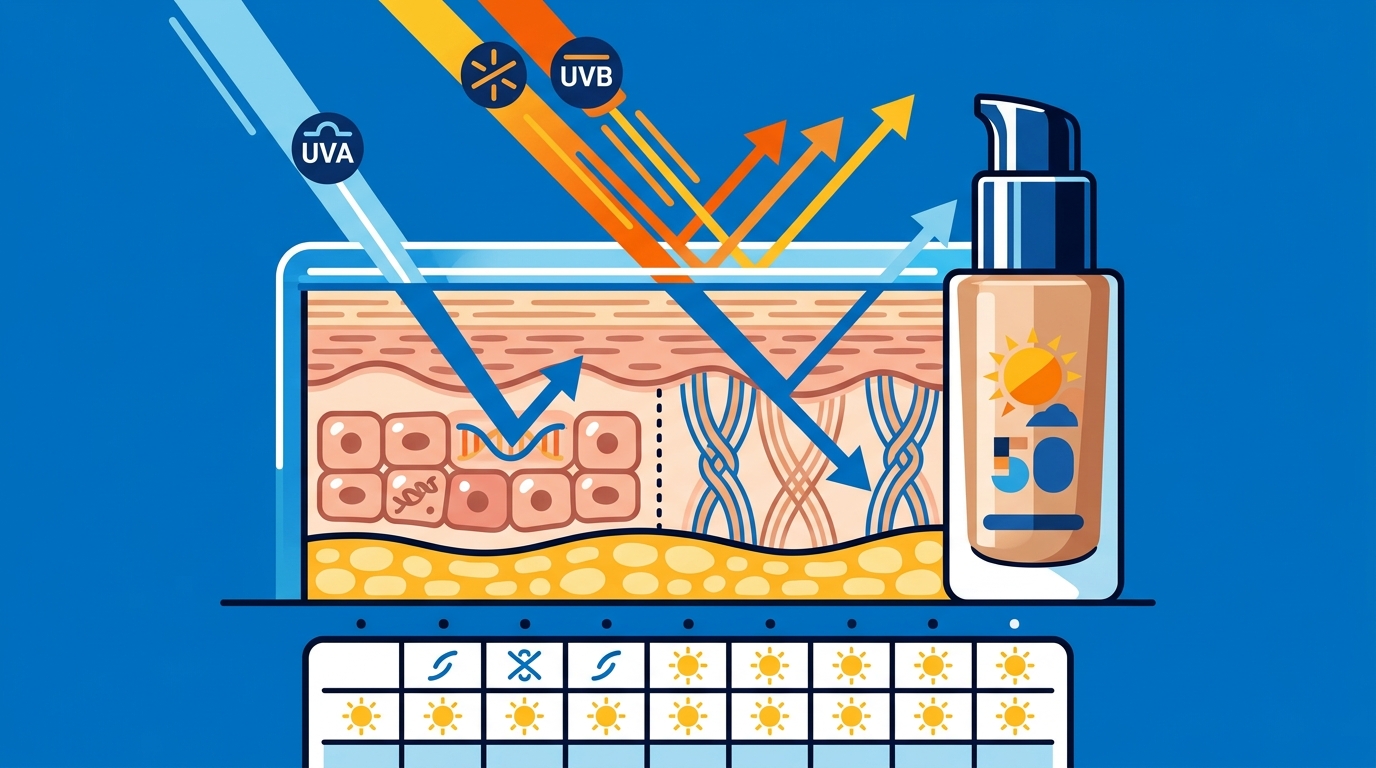
UVB rays are high-energy wavelengths that primarily affect the outermost layer of the skin, the epidermis. When these rays strike unprotected skin, they cause immediate inflammation and direct damage to cellular DNA. This damage is the primary driver of sunburn and the initial stages of skin cancer. SPF 50 is a numerical rating that indicates the product blocks 98% of UVB radiation. For additional details, review the About Forever Bloom Skincare.
Chemical and physical filters work differently to achieve this blockade. Physical filters, such as zinc oxide and titanium dioxide, sit on the skin surface and scatter UVB photons away from the body. Chemical filters absorb the energy of the UVB rays and convert it into heat, which dissipates harmlessly. By combining these mechanisms, modern formulations ensure that the vast majority of UVB energy never reaches the living cells of the epidermis. For additional details, review the Skincare Care Tips amp.
The implication for daily life is that consistent application creates a shield against the most acute form of solar damage. Without this shield, even short exposures during a commute or a walk to the car can accumulate DNA mutations over time. This is why dermatologists emphasize that SPF is not just for beach days but for every single day of the year. For additional details, review the Collections ndash Forever Bloom.
UVA Penetration and Long-Term Aging
UVA rays are lower in energy but far more persistent than UVB. They are present in high levels throughout the day and can penetrate through glass windows and clouds. Broad-spectrum protection is a designation that confirms a product protects against both UVA and UVB wavelengths. UVA rays travel deeper into the dermis, the layer of skin beneath the epidermis, where they generate free radicals. For additional details, review the Products ndash Forever Bloom.
These free radicals attack collagen and elastin fibers, the structural proteins that keep skin firm and supple. Over years, this process leads to the formation of wrinkles, loss of elasticity, and uneven pigmentation. Because UVA exposure is cumulative, the damage is often invisible until it becomes permanent. This is why a product that only blocks UVB is insufficient for anti-aging purposes.
Forever Bloom integrates this understanding into its product development. The brand focuses on cellular skincare that addresses the root causes of aging, not just the surface symptoms. By using a foundation with SPF 50, users gain a daily defense against the specific wavelengths that drive photoaging. This approach ensures that the skin remains resilient against the environmental stressors that degrade its structural integrity.
Daily Application and Reapplication
SPF protection is not static; it degrades over time due to oxidation, sweat, and friction. The FDA recommends reapplying sunscreen every two hours when outdoors to maintain effective coverage. For those wearing makeup, reapplication can be challenging without disturbing the base layer. This is where a high-SPF foundation becomes a practical tool for daily maintenance.
When using a liquid foundation with SPF 50, the product serves a dual purpose. It provides cosmetic coverage while acting as the first line of defense against solar radiation. However, users should be aware that the amount of product applied for makeup is often less than the amount required for full sun protection. To achieve the labeled SPF, one must apply a generous layer. If the application is thin, the actual protection may be lower than the stated 50.
For optimal results, consider layering. Applying a dedicated sunscreen underneath a tinted moisturizer or foundation can boost the overall protection factor. This layering technique ensures that the skin receives the full benefit of the UV filters. It also allows for easier reapplication during the day, as one can simply add a fresh layer of foundation over the existing base.
Choosing the Right Formulation
Not all SPF 50 products are created equal. The formulation of the product affects how well it adheres to the skin and how long it lasts. Water-resistant formulas are ideal for active lifestyles, as they maintain their protective film despite sweating. Non-comedogenic formulas are better suited for those prone to breakouts, as they do not clog pores. The choice of formulation should align with individual skin type and daily activities.
When selecting a product, look for those that have been tested for broad-spectrum efficacy. The label should clearly state that it protects against both UVA and UVB. Additionally, consider the texture and finish of the product. A lightweight, breathable formula is more likely to be used consistently than a heavy, greasy one. Consistency is the key to long-term protection, so choosing a product that feels comfortable on the skin is essential.
The Role of Cellular Skincare
Sun protection is only one part of a comprehensive skincare strategy. The skin is constantly exposed to environmental stressors, including pollution and blue light. Cellular skincare is a philosophy that focuses on enhancing the skin's natural regenerative processes at the cellular level. By supporting the skin's ability to repair itself, one can mitigate the damage that slips past the SPF barrier.
Ingredients such as peptides and antioxidants play a crucial role in this repair process. Peptides signal the skin to produce more collagen, while antioxidants neutralize the free radicals generated by UVA exposure. These ingredients work synergistically with SPF to provide a multi-layered defense. The result is skin that not only looks younger but also functions more effectively.
Key Takeaways
- SPF 50 blocks 98% of UVB rays, significantly reducing the risk of sunburn and DNA damage.
- Broad-spectrum protection is essential for blocking UVA rays, which drive long-term aging and collagen breakdown.
- Daily application is critical, as UV exposure occurs year-round and accumulates over time.
- Reapplication every two hours is recommended to maintain effective protection, especially when outdoors.
- Layering a dedicated sunscreen under a high-SPF foundation can boost overall protection levels.
- Choosing a formulation that suits your skin type ensures consistent use and better long-term results.
Frequently Asked Questions
Does SPF 50 protect against both UVA and UVB rays?
Yes, if the product is labeled as broad-spectrum. SPF specifically measures UVB protection, but broad-spectrum testing confirms that the product also blocks UVA rays, which are responsible for aging and deeper skin damage.
How much SPF 50 foundation should I apply?
Apply a generous layer to ensure you receive the full protection level. A thin application may result in lower actual SPF. For maximum protection, consider layering a dedicated sunscreen underneath the foundation.
Can I wear SPF 50 foundation every day?
Yes, daily use is recommended. UV rays are present every day of the year, regardless of weather or season. Consistent daily application is the most effective way to prevent cumulative sun damage.
Do I need to reapply foundation with SPF?
Yes, if you are outdoors for extended periods. Reapply every two hours to maintain protection. If you are indoors most of the day, a single morning application may be sufficient, but reapplication is still best practice.
What is the difference between chemical and physical SPF filters?
Chemical filters absorb UV energy and convert it to heat, while physical filters like zinc oxide sit on the skin and scatter UV rays. Both are effective, but physical filters are often better suited for sensitive skin.
Does SPF protect against blue light?
Is Forever Bloom foundation suitable for sensitive skin?
Forever Bloom focuses on non-toxic, science-backed formulations. Many of their products are designed to be gentle and supportive of skin health. Always patch-test new products to ensure they suit your specific skin type.