

Which Natural Ingredients Actually Work to Rebuild Skin Cells?
The Role of Peptides in Cellular Communication
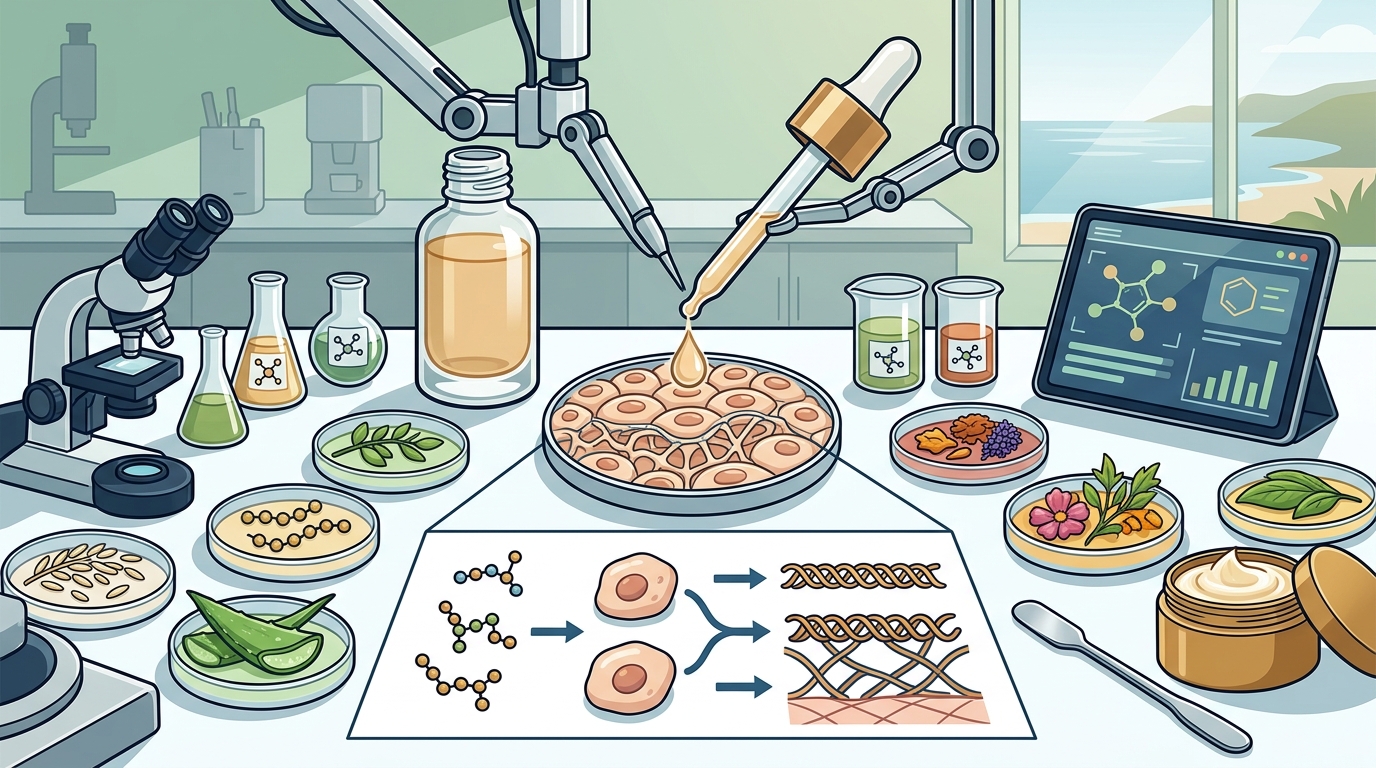
Peptides are short chains of amino acids that act as messengers within the skin. They signal fibroblasts to produce more collagen and elastin, which are essential for firmness and elasticity. This communication is the foundation of cellular rebuilding. For additional details, review the The Best Eye Cream.
Research indicates that specific peptide sequences can mimic the body's natural signaling processes. When applied topically, they can stimulate the production of structural proteins that decline with age. This mechanism is why peptide serums are a cornerstone of modern anti-aging routines. according to Editorial Novel sources For additional details, review the Is Vitamin C Cream.
Forever Bloom utilizes amino-peptide complexes in our serums to target this specific pathway. By providing the skin with the right signals, we help it maintain its structural integrity without relying on synthetic fillers.
Vitamin C and Oxidative Stress Protection
Vitamin C is a potent antioxidant that protects skin cells from free radical damage. Free radicals are unstable molecules that break down collagen and cause premature aging. By neutralizing these molecules, vitamin C preserves the cellular environment needed for repair.
Studies show that vitamin C also plays a direct role in collagen synthesis. It acts as a cofactor for enzymes that stabilize the collagen structure. Without adequate vitamin C, the collagen produced by the skin is weak and unstable.
Omega Fatty Acids and Barrier Function
Omega-3 and omega-6 fatty acids are critical components of the skin's lipid barrier. This barrier prevents moisture loss and keeps irritants out. A healthy barrier is a prerequisite for effective cellular regeneration.
Recent research substantiates the significance of these natural oils in enhancing skin barrier function. They help maintain the skin's hydration levels and reduce inflammation. When the barrier is compromised, the skin cannot focus on deep cellular repair. according to The state of
By incorporating these essential fatty acids into our formulations, we ensure that the skin is hydrated and protected. This creates an optimal environment for other active ingredients to penetrate and work effectively.
Phytochemicals and Inflammatory Response
Phytochemicals are bioactive compounds found in plants that have therapeutic effects on the skin. They help modulate the inflammatory response, which is often a barrier to healing. Reducing chronic inflammation allows skin cells to repair more efficiently.
Forever Bloom integrates these natural extracts to provide a calming effect. This approach ensures that the skin is not constantly in a state of defense, allowing it to focus on regeneration and renewal.
Integrating Ingredients for Maximum Efficacy
Combining these ingredients creates a synergistic effect that is greater than the sum of its parts. Peptides signal repair, vitamin C protects and builds, and fatty acids maintain the barrier. This multi-faceted approach addresses the complex nature of skin aging.
It is important to choose products that are formulated with stability and bioavailability in mind. Not all natural ingredients are created equal, and their effectiveness depends on how they are delivered to the skin. High-quality formulations ensure that these actives reach the deeper layers where they are needed.
Key Takeaways
- Peptides act as messengers that signal skin cells to produce collagen and elastin.
- Vitamin C is essential for collagen synthesis and protects against oxidative stress.
- Omega fatty acids strengthen the skin barrier, which is vital for cellular repair.
- Phytochemicals help reduce inflammation, creating a better environment for healing.
- Combining these ingredients in a stable formulation maximizes their effectiveness.
- Forever Bloom's Biomimic e technology focuses on these science-backed natural ingredients.
Frequently Asked Questions
Do natural ingredients really penetrate deep enough to rebuild cells?
Yes, when formulated correctly, ingredients like peptides and vitamin C can penetrate the epidermis to reach the dermis. This is where collagen and elastin are produced. Proper formulation ensures that these actives are delivered effectively.
What is the difference between peptides and proteins in skincare?
Peptides are smaller chains of amino acids that can penetrate the skin more easily. Proteins are larger and often sit on the surface. Peptides are more effective for signaling cellular repair because they can reach the deeper layers.
Can I use vitamin C and peptides together?
Yes, vitamin C and peptides are generally compatible and can be used together. Vitamin C protects the skin while peptides signal repair. Using them in the same routine can enhance overall skin health and collagen production.
How long does it take to see results from cellular rebuilding?
It typically takes 4 to 12 weeks to see noticeable changes in skin texture and firmness. Cellular turnover is a slow process, and consistent use of effective ingredients is key. Patience and consistency are essential for long-term results.