
Step-by-Step Guide to Layering Cellular Health Serums for Maximum Results
Modern skincare science has shifted from simple surface hydration to deep cellular regeneration. According to recent dermatological studies, the order in which you apply active ingredients can alter their absorption rates by up to 40 percent. This is not merely about aesthetics but about biological efficacy. When you layer products incorrectly, you risk neutralizing potent actives or creating a barrier that prevents penetration. This guide details the precise methodology for integrating high-performance serums into your daily routine, ensuring that every drop contributes to visible skin health.
Understanding Serum Chemistry and Molecular Weight
Before applying any product, you must understand the physics of absorption. Serums are formulated with specific molecular weights to target different layers of the epidermis. Hydrating serums typically contain smaller molecules like hyaluronic acid, which sit closer to the surface to attract moisture. In contrast, cellular repair serums often utilize larger peptide complexes or lipid-based carriers that require a specific pH environment to penetrate effectively.
The general rule of thumb in cosmetic chemistry is to apply products from thinnest to thickest consistency. However, this is not the only factor. The pH level of the serum plays a critical role. Acidic products, such as those containing vitamin C or exfoliating acids, must be applied to clean, dry skin to function correctly. If you apply a thick moisturizer first, the acidic serum cannot lower the skin's pH sufficiently to activate its cellular benefits. This principle is foundational to achieving the "maximum results" promised by advanced skincare regimens.
Preparation and Cleansing Protocol
Effective layering begins long before the serum touches your face. The state of your skin barrier determines how much of the active ingredients you will absorb. A compromised barrier or residual makeup creates a physical barrier that blocks penetration. Therefore, a thorough cleansing routine is non-negotiable for cellular health.
Use a gentle, pH-balanced cleanser to remove impurities without stripping natural oils. The Hydrating Aqua-Marine Cleanser is designed to maintain the skin's acid mantle while removing debris. After cleansing, pat your skin dry but leave it slightly damp. Many hydrating serums work best on damp skin because water acts as a carrier, helping to pull active ingredients deeper into the epidermis. This step ensures that the subsequent layers of your routine adhere properly and absorb efficiently.
The Correct Layering Order
Once your skin is prepped, the application sequence becomes critical. Each product must be allowed to absorb fully before the next is applied. Rushing this process leads to pilling, where products ball up on the skin's surface rather than integrating. Here is the scientifically supported order for layering cellular health serums.
1. Water-Based Hydrating Serums
Start with the lightest, water-based formulations. These serums are designed to plump the skin and create a hydrated base. Look for ingredients like hyaluronic acid or glycerin. Apply a few drops to your face and neck, gently pressing them into the skin. Allow this layer to dry for approximately 60 seconds. This brief pause ensures that the water-based molecules have bonded with the skin's surface, preparing it for heavier actives.
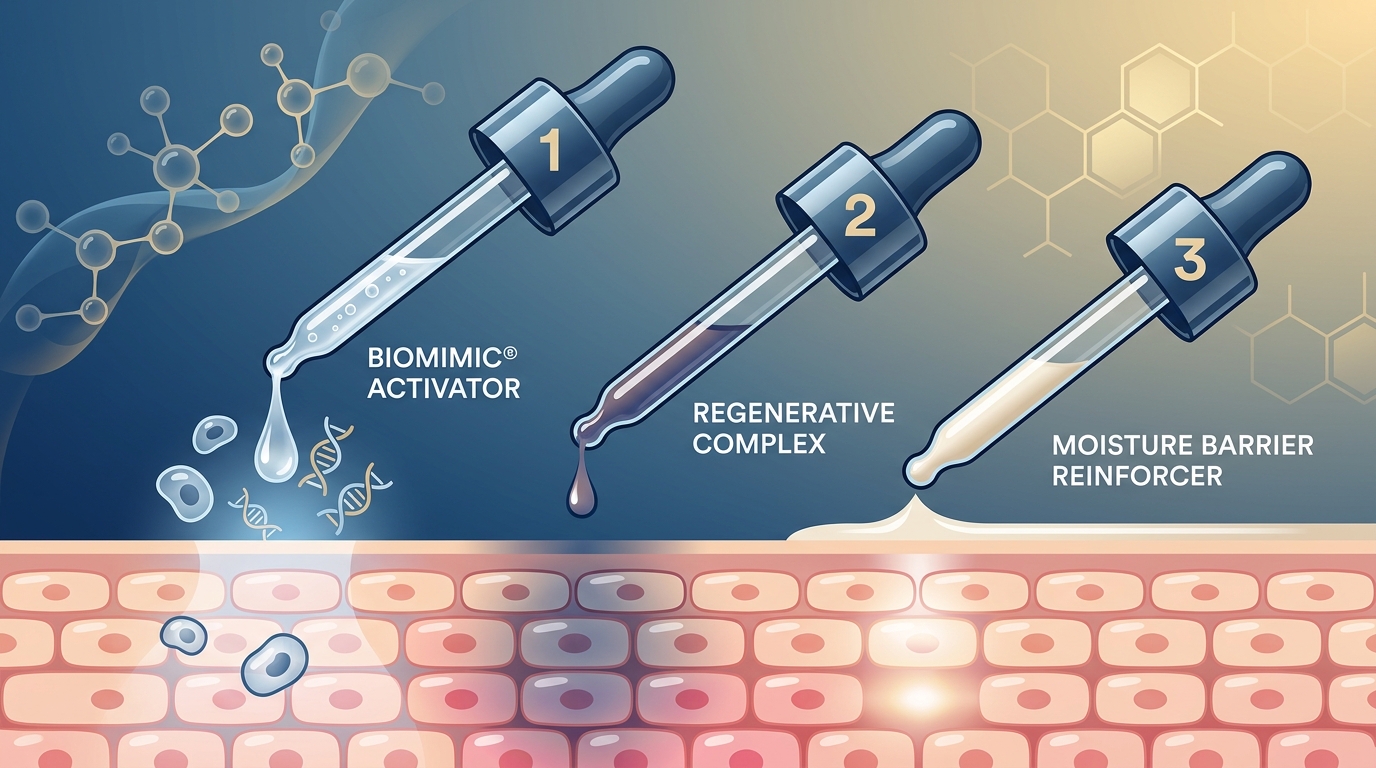
2. Treatment and Active Serums
3. Cellular Repair and Peptide SerumsAfter the hydrating layer has set, apply your primary treatment serum. This is where cellular health interventions occur. Peptides, growth factors, and specialized antioxidants belong in this stage. These ingredients are often more viscous and require direct contact with the skin to penetrate the lipid barrier. If you are using the Biomimic Lifting Serum, apply it now. This serum utilizes advanced peptide technology to signal skin cells to produce more collagen. Applying it after hydration ensures that the peptides are not diluted and can interact directly with the cellular receptors in the dermis.
3. Oil-Based or Lipid Serums
If your regimen includes an oil-based serum, it should follow water-based treatments but precede creams. Oils create an occlusive layer that seals in the previous hydrating and active layers. This step is crucial for preventing transepidermal water loss (TEWL) during the night. Apply the oil using a pressing motion to avoid stretching the skin. This layer acts as a protective shield, locking in the benefits of the cellular repair serums applied earlier.
Integrating Biomimic Technology
Traditional layering often fails to account for the unique biology of individual skin types. This is where biomimicry changes the paradigm. Biomimic skincare is designed to mimic the skin's natural biological processes, ensuring that active ingredients are recognized and utilized by the body rather than rejected or ignored.
The science behind biomimic technology focuses on compatibility. When you layer Biomimic serums, you are not just stacking products; you are aligning them with your skin's natural pH and lipid structure. This reduces the risk of irritation and maximizes the efficacy of each layer. For instance, the Amino-Peptide Youth Recovery Complex is formulated to work synergistically with other layers, enhancing the overall cellular response without causing congestion.
When integrating these products, consider the time of day. Morning routines should focus on protection and hydration, utilizing lightweight serums that prepare the skin for environmental stressors. Evening routines should prioritize repair and regeneration, allowing heavier, nutrient-dense serums to work during the skin's natural recovery cycle. This strategic timing ensures that each layer serves a specific purpose in the 24-hour cellular health cycle.
Common Layering Mistakes to Avoid
Even with the correct order, several common errors can undermine your results. Understanding these pitfalls is essential for maintaining a high-performance skincare routine.
- Overloading the Skin: Applying too many serums at once can overwhelm the skin's ability to absorb them. Limit your routine to two or three serum layers maximum. More is not always better; it is often counterproductive.
- Ignoring Drying Time: Applying the next layer immediately after the previous one can dilute the active ingredients. Always wait for each serum to feel tacky or dry before proceeding.
- Mixing Incompatible Actives: Combining certain acids with peptides or retinoids can neutralize their effects or cause irritation. Always check the compatibility of your active ingredients before layering.
- Neglecting the Neck and Chest: The skin on your neck and chest is thinner and shows signs of aging faster. Ensure you extend your serum layers to these areas to maintain uniform cellular health.
Key Takeaways
- Order Matters: Always apply serums from thinnest to thickest consistency to ensure proper absorption and efficacy.
- pH Balance: Acidic treatments must be applied to clean, dry skin to activate properly and penetrate the barrier.
- Biomimic Compatibility: Using biomimic serums like the Biomimic Lifting Serum ensures that your skin recognizes and utilizes the active ingredients effectively.
- Hydration First: Water-based hydrating serums should always precede peptide or oil-based treatments to create a receptive base.
- Patience is Key: Allow each layer to absorb fully before applying the next to prevent pilling and dilution of actives.
- Consistency: Cellular health improvements are cumulative. Regular, correct layering yields better long-term results than occasional intensive treatments.
- Full Coverage: Extend your serum layers to the neck and chest to maintain uniform skin health across all visible areas.
Frequently Asked Questions
Can I mix different brands of serums?
Yes, you can mix brands, but you must ensure that the active ingredients are compatible. For example, mixing a high-concentration vitamin C serum with a peptide serum may require careful timing to avoid pH interference. It is often safer to stick to a cohesive line like Forever Bloom products, which are designed to work together synergistically.
How long should I wait between serum layers?
Wait until the previous serum feels dry or tacky to the touch. This typically takes 30 to 60 seconds. Rushing this step can lead to product pilling and reduced absorption of the active ingredients.
Is it necessary to use a hydrating serum before a peptide serum?
While not strictly mandatory, it is highly recommended. Hydrating serums plump the skin and create a moist environment that facilitates the penetration of larger peptide molecules. This step enhances the overall efficacy of your cellular repair routine.
Can I use multiple active serums in the same routine?
You can, but you should limit it to two active layers to avoid overwhelming the skin. For example, you might use a hydrating serum in the morning and a repair serum at night. Combining multiple potent actives simultaneously can increase the risk of irritation and reduce absorption.
What is the best way to apply serum for maximum absorption?
Use a gentle pressing motion rather than rubbing. Pressing the serum into the skin helps to push the active ingredients deeper into the pores and ensures even distribution without stretching the delicate skin tissue.
Do I need to adjust my layering routine for different skin types?
Yes. Oily skin types may benefit from lighter, water-based serums and fewer layers. Dry skin types may require additional lipid-based serums or oils to seal in hydration. Always tailor the thickness and number of layers to your skin's specific needs.
How does biomimic technology improve serum layering?
Biomimic technology ensures that the molecular structure of the serum matches the skin's natural biology. This compatibility allows the skin to recognize and absorb the active ingredients more efficiently, reducing the risk of irritation and maximizing the cellular health benefits of each layer.
Start Your Cellular Health Journey
Achieving maximum results from your skincare routine requires precision, patience, and the right products. By following this step-by-step guide to layering cellular health serums, you can ensure that every product works in harmony with your skin's biology. Explore the full range of Biomimic skincare products to build a regimen that supports your unique cellular health goals. Visit our contact page for personalized advice on constructing your ideal layering protocol.