
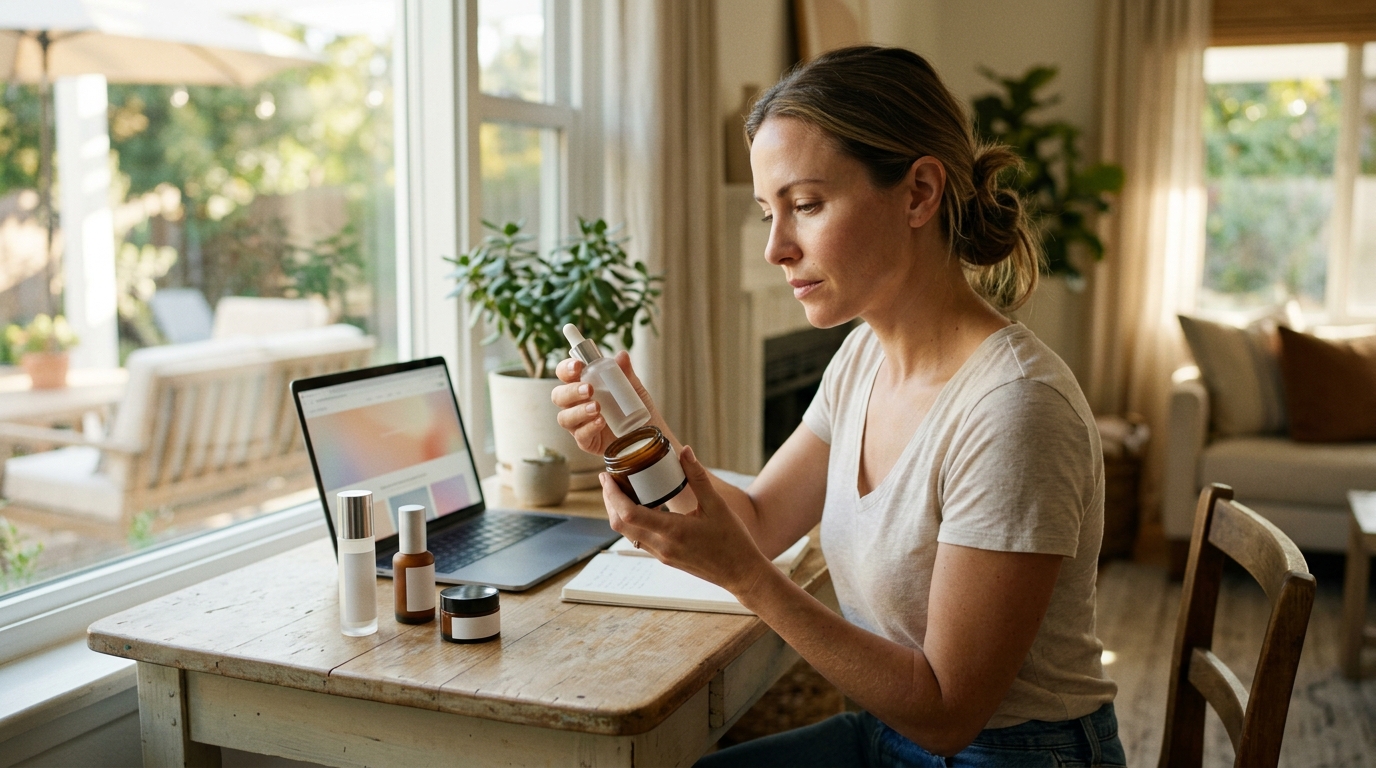
With thousands of skincare and makeup brands competing for your attention, finding a trustworthy source for high-quality beauty products can feel overwhelming. Between misleading labels, unregulated claims, and flashy marketing, consumers deserve a clear roadmap for separating science-backed formulas from hype. This guide walks you through the key criteria that matter most, from ingredient transparency and third-party testing to brand ethics and regulatory compliance, so you can shop with confidence and protect your skin.
Why Your Product Source Matters More Than Ever
The beauty industry generates over $100 billion in annual revenue in the United States alone, yet federal oversight has historically been limited. The Modernization of Cosmetics Regulation Act (MoCRA) marked the first major update to U.S. cosmetics law since 1938, introducing facility registration, adverse-event reporting, and safety substantiation requirements.
Despite these improvements, cosmetic products and ingredients still do not need FDA premarket approval (with the exception of color additives). That means the burden of choosing safe, effective products falls largely on you, the consumer.
The Real Cost of Choosing Poorly
Low-quality products can cause irritation, breakouts, and long-term skin damage. Ingredients like parabens, phthalates, and undisclosed fragrances are linked to hormone disruption and allergic reactions. Choosing a reliable source protects not just your appearance but your overall health.
Look for Ingredient Transparency
Ingredient transparency is the practice of fully disclosing every component in a product, listed in descending order of predominance using standardized INCI names. Trustworthy brands go beyond the legal minimum and explain why each ingredient is included.
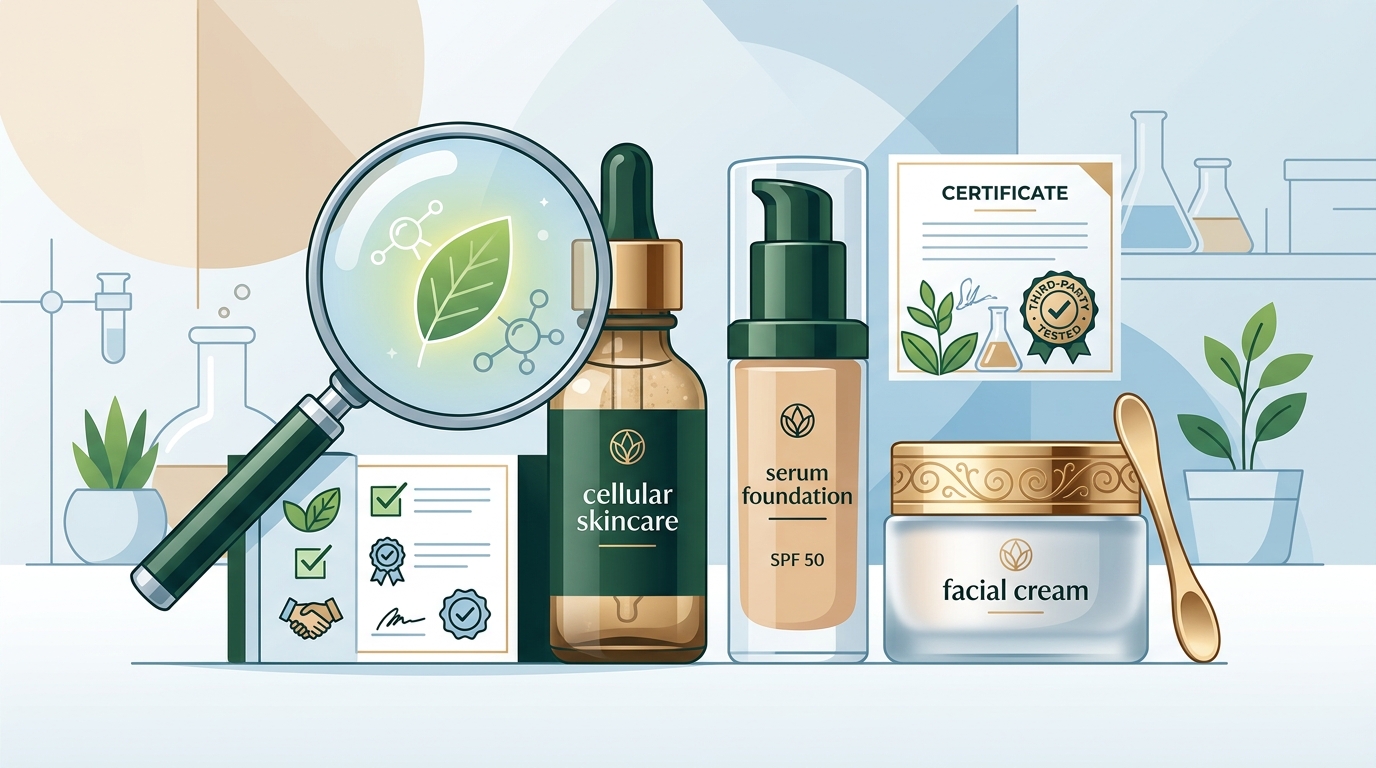
What to Check on the Label
Look for products free from parabens, phthalates, and artificial fragrances. Brands like Forever Bloom's de-aging collection formulate with non-toxic ingredients and make their full ingredient lists accessible on every product page.
Use Third-Party Resources
The Environmental Working Group's Skin Deep database rates products on a safety scale, helping you cross-reference ingredients before you buy. Ingredient-scanning apps can also help you make informed choices directly from your phone.
Prioritize Science-Backed Formulations
A science-backed formulation is a product developed through documented research, clinical testing, or peer-reviewed ingredient studies rather than marketing trends. The most reliable brands invest heavily in research and development.
For example, Forever Bloom's research team pursues technology that enables long-term cellular growth through peptide biomimic research, conducted at their own institute, Bloom Research Innovation and Technology Inc. (BRITE). This level of scientific commitment sets brands apart from competitors relying solely on marketing claims.
Key Ingredients to Look For
Peptides, growth factors, plant stem cells, and stabilized Vitamin C are among the most well-researched active ingredients in modern skincare. Biomimetic actives signal your skin to produce more collagen and elastin, visibly restoring bounce and elasticity. Products like the Amino-Peptide Youth Recovery Complex combine multiple research-driven actives in synergistic blends.
Verify Regulatory Compliance
Under MoCRA, cosmetic companies must now register facilities with the FDA, list their products and ingredients, and maintain safety substantiation records. The FDA also gained the authority to order mandatory recalls of unsafe products.
When evaluating a brand, check whether they provide a U.S. business address and contact information on their packaging, as required by the updated regulations. Brands with transparent FAQ pages and clear return policies demonstrate accountability.
| Requirement | Pre-MoCRA (Before 2023) | Post-MoCRA (2023 Onward) |
|---|---|---|
| FDA Premarket Approval | Not required | Still not required (except color additives) |
| Facility Registration | Voluntary | Mandatory |
| Adverse Event Reporting | Limited | Required within 15 days |
| Safety Substantiation | Self-regulated | Records must be maintained |
| Fragrance Allergen Disclosure | Not required | Required on labels |
| Recall Authority | FDA lacked power | FDA can order mandatory recalls |
Evaluate Brand Ethics and Sourcing
Ethical sourcing is the practice of obtaining raw materials in a way that respects the environment, local communities, and long-term ecological balance. Brands that champion biodiversity and responsible harvesting often deliver higher-quality ingredients.
Forever Bloom sources ingredients with respect for nature and local communities, choosing botanicals that are responsibly harvested and replenished. Their transparent communication approach ensures that every product tells the story of how it works with your biology.
Questions to Ask About Any Brand
- Do they disclose where their ingredients are sourced?
- Are their products cruelty-free and non-toxic?
- Do they invest in ongoing research and development?
- Is there a satisfaction guarantee or clear return policy?
Red Flags to Watch For
Not every brand that claims to be "clean" or "natural" actually meets a high standard. Watch for these warning signs:
- Vague ingredient lists: If a brand hides behind proprietary blends without disclosing specifics, proceed with caution.
- No scientific backing: Claims like "miracle cure" or "instant results" without cited research are a red flag.
- No return policy: Reliable brands stand behind their products. For instance, Forever Bloom offers a risk-free guarantee on their Biomimic Foundation.
- Missing contact information: Under MoCRA, labels must include a domestic address or electronic contact for adverse-event reporting.
- Unverified "organic" or "natural" labels: The FTC, not the FDA, oversees claims about whether a product is "natural" or "clean."
Comparing Trustworthy vs. Questionable Beauty Sources
| Trait | Trustworthy Source | Questionable Source |
|---|---|---|
| Ingredient Disclosure | Full INCI list, explained on product page | Vague or missing ingredient lists |
| Scientific Research | In-house labs, published studies, expert teams | No cited research, buzzword-heavy marketing |
| Regulatory Compliance | FDA-registered, MoCRA-compliant | No facility registration or adverse event reporting |
| Return Policy | Clear refund or satisfaction guarantee | No returns, hidden restocking fees |
| Ethical Sourcing | Transparent supply chain, biodiversity focus | No sourcing information available |
Key Takeaways
- Always read the full ingredient list and look for INCI-compliant labeling in descending order of predominance.
- Choose brands that invest in scientific research rather than trend-driven marketing.
- Verify that a brand complies with MoCRA requirements, including facility registration and adverse-event reporting.
- Evaluate ethical sourcing practices, including biodiversity commitments and transparent supply chains.
- Use third-party tools like the EWG Skin Deep database to cross-check product safety.
- Watch for red flags such as vague claims, missing contact details, and no return policies.
- Brands like Forever Bloom demonstrate how science-backed, non-toxic formulations and transparent communication build lasting consumer trust.
Frequently Asked Questions
What makes a beauty product "high-quality"?
A high-quality beauty product uses research-backed active ingredients at effective concentrations, is manufactured under good manufacturing practices, and provides full ingredient transparency on its label.
Are beauty products FDA-approved before they hit the market?
No. Under U.S. law, cosmetic products and ingredients do not need FDA premarket approval, with the exception of color additives. However, the FDA can take enforcement action against non-compliant products already on the market.
What is MoCRA and why does it matter?
The Modernization of Cosmetics Regulation Act of 2022 (MoCRA) is the first major update to U.S. cosmetics law since 1938. It requires facility registration, safety substantiation, adverse-event reporting, and fragrance allergen disclosure on labels.
How can I tell if a skincare brand is science-backed?
Look for brands with in-house research teams, published ingredient studies, and specific technology claims. For example, Forever Bloom operates its own research institute (BRITE) focused on peptide biomimic technology for cellular skincare.
What ingredients should I avoid in beauty products?
Common ingredients to avoid include parabens, phthalates, synthetic fragrances, formaldehyde, and PFAS ("forever chemicals"). Many clean beauty brands formulate without these substances entirely.
Is "clean beauty" regulated by the government?
Not directly. The terms "clean" and "natural" are not defined by the FDA. The Federal Trade Commission is expected to address these marketing claims through its Green Guides, but no binding definitions exist yet.
Why is ingredient transparency important?
Ingredient transparency lets you verify product safety, avoid allergens, and compare formulations. Brands that explain what is in their products and why each ingredient matters empower consumers to make healthier choices.
What should I look for in a brand's return policy?
A strong return policy signals that a brand stands behind its products. Look for satisfaction guarantees, no-questions-asked refunds, and clearly stated timelines for returns and exchanges.
Start Shopping Smarter Today
Finding reliable, high-quality beauty products does not have to be complicated. Start by exploring brands that combine scientific research, ingredient transparency, and ethical sourcing in every formula. Browse Forever Bloom's full collection of Biomimic skincare and foundation products to experience science-backed, non-toxic beauty for yourself.