

Shopping for beauty products online can feel overwhelming. Thousands of brands promise flawless skin, but not all deliver safe, effective formulas. Counterfeit cosmetics are on the rise, and vague marketing terms like "clean" and "natural" often lack regulatory backing. So how do you separate trustworthy sources from the noise? This guide walks you through the exact steps to identify reliable beauty brands and retailers, so you can invest in products that genuinely benefit your skin without compromising your health.
Why Your Beauty Product Source Matters
The beauty industry generates over $430 billion globally, and with that scale comes risk. Counterfeit beauty products are a growing threat to both your wallet and your wellbeing. Fake formulas may contain unregulated chemicals, heavy metals, or bacteria that cause irritation, breakouts, or worse.
Greenwashing is another concern. A greenwashing claim is when a brand misleads consumers into believing products are safe and natural while using potentially harmful ingredients. Choosing a reliable source protects your skin and ensures you get the results you pay for.
Step 1: Examine Ingredient Transparency
High-quality beauty products always start with high-quality ingredients. Before purchasing, review the full ingredient list on the product page. Look for evidence-backed actives like vitamin C, peptides, and hydrating compounds that have published clinical support.
What to Look For on Labels
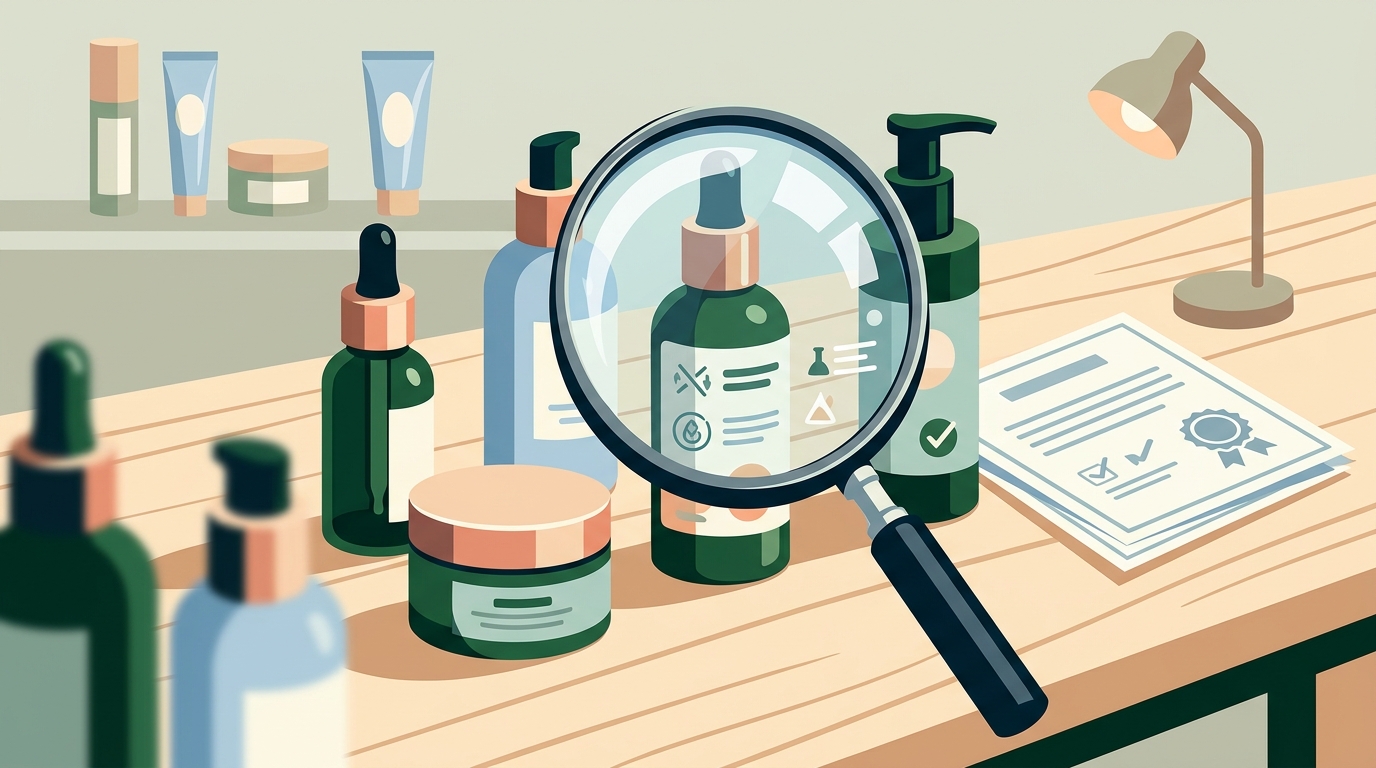
Trustworthy brands disclose every ingredient, including those hidden in fragrance blends. Ingredient transparency is the practice of listing all components of a product formula so consumers can make informed choices. Brands like Forever Bloom publish full ingredient profiles for their Biomimic Foundation and serum lines, making it easy to verify what goes on your skin.
Avoid Vague Buzzwords
Terms like "clean," "natural," and "green" are not regulated or defined by the FDA within the beauty industry. Any brand can use them without independent verification. Focus instead on specific ingredient claims and third-party validation.
Step 2: Look for Certifications and Third-Party Validation
A certification seal is a mark awarded by an independent organization confirming that a product meets specific safety, ingredient, or ethical standards. Look for seals from organizations like NSF, USDA Organic, Leaping Bunny, and EWG VERIFIED.
These certifications go beyond basic compliance. They require full ingredient disclosure and prohibit known chemicals of concern. When a brand pursues third-party verification, it signals a genuine commitment to safety and transparency.
Step 3: Research Brand Science and Technology
Reliable beauty brands invest in proprietary research. Forever Bloom, for example, operates its own Bloom Research Innovation and Technology labs, developing cellular skincare formulas built on Biomimic® technology. This technology is designed to support skin cell regeneration and promote long-term skin health rather than just masking imperfections.
Science-Backed Formulation
Look for brands that cite specific mechanisms of action, not just vague promises. Science-backed formulation is the practice of developing products based on peer-reviewed research and clinically validated active ingredients. Products like the Biomimic Lifting Serum and Vitamin C Bloom Cream are formulated with targeted actives that address specific skin concerns such as fine lines and dullness.
Step 4: Buy From Authorized Channels
Always purchase directly from the brand's official website or verified retail partners. Buying from the brand's own storefront ensures product authenticity, proper storage, and access to customer support. Third-party marketplace listings from unknown sellers carry significant risk of counterfeits.
Check Shipping and Return Policies
Legitimate brands offer clear shipping timelines and fair return policies. Forever Bloom provides free U.S. shipping on orders above $50 and free international shipping above $100, along with transparent refund and cancellation policies.
Step 5: Spot Red Flags Before You Buy
Trust your instincts when something feels off. Common warning signs include prices that seem too low for premium products, blurry or limited product images, missing batch or lot numbers, and inconsistent packaging quality.
If a product smells unusual, has a strange texture, or absorbs differently than expected, stop using it immediately. Report suspected counterfeits to the brand directly.
Reliable vs. Unreliable Beauty Sources at a Glance
| Criteria | Reliable Source | Unreliable Source |
|---|---|---|
| Ingredient Disclosure | Full list published on product page | Vague or missing ingredient info |
| Certifications | Third-party seals (EWG, NSF, USDA) | No verifiable certifications |
| Pricing | Consistent with brand MSRP | Steep, unexplained discounts |
| Product Images | High-resolution, detailed photos | Blurry or single low-quality image |
| Customer Support | Dedicated email, returns policy | No contact information |
| Research Investment | Proprietary labs or published studies | No scientific backing cited |
| Seller Verification | Official brand site or authorized retailer | Unknown third-party marketplace seller |
Key Takeaways
- Always review full ingredient lists before purchasing any beauty product.
- Third-party certifications like EWG VERIFIED and NSF are the most reliable indicators of product safety.
- Terms like "clean" and "natural" are not FDA-regulated in the beauty industry.
- Buy directly from official brand websites to guarantee authenticity.
- Brands with proprietary research labs, like Forever Bloom's Biomimic® technology, demonstrate deeper commitment to product quality.
- Watch for red flags: unrealistic pricing, poor imagery, and missing product details.
- When in doubt, contact the brand's support team directly before purchasing.
Frequently Asked Questions
What makes a beauty product "high-quality"?
A high-quality beauty product uses clinically validated, evidence-backed ingredients, discloses its full formula, and ideally holds third-party certifications confirming safety and efficacy.
How do I know if a beauty brand is trustworthy?
Research the brand's ingredient transparency, look for independent certifications, check if they invest in their own research (like Forever Bloom's in-house labs), and read verified customer reviews.
Are "clean beauty" labels regulated?
No. The FDA does not regulate or define terms like "clean," "natural," or "green" in the beauty industry. Look for third-party seals rather than relying on marketing language alone.
Is it safe to buy beauty products from third-party sellers?
It can be risky. Counterfeit cosmetics are increasingly common on third-party marketplaces. The safest option is to buy from the brand's official website or authorized retailers.
What certifications should I look for on skincare products?
Key certifications include EWG VERIFIED, NSF, USDA Organic, Leaping Bunny (cruelty-free), and Non-GMO Project Verified. Each confirms different aspects of ingredient safety and ethical production.
Why is buying from an official brand website better?
Official brand websites guarantee authentic products, proper storage conditions, current expiration dates, and direct access to customer support and return policies.
What is Biomimic® technology in skincare?
Biomimic® technology is Forever Bloom's proprietary approach to skincare that supports natural skin cell regeneration, delivering deep nourishment to help cells complete their renewal cycle for healthier, more youthful skin.
How can I spot counterfeit beauty products?
Check for inconsistencies in packaging, missing batch numbers, unusually low prices, and poor product imagery. If the texture, color, or scent differs from the brand's official description, the product may be counterfeit.
Start Shopping Smarter Today
Finding reliable beauty products does not have to be complicated. Start with brands that prioritize transparency, invest in real science, and make ingredient information easy to access. Explore Forever Bloom's full collection of science-backed skincare and Biomimic® foundations to experience the difference that genuine quality makes for your skin.