

The global market for multi-functional cosmetics has expanded rapidly, with consumers increasingly demanding products that deliver skincare benefits alongside high-performance coverage. According to recent industry analysis, the sun protection factor (SPF) 50 category represents a significant growth segment in the beauty sector, driven by heightened awareness of photoaging and skin health. Evaluating a 4-in-1 foundation requires a rigorous assessment of its pigment technology, UV filtration methods, and skincare integration. This guide provides a detailed framework for analyzing these complex formulations to ensure you select a product that meets both aesthetic and dermatological standards. (Skincare Bundles amp Gift)
Understanding 4-in-1 Technology
A 4-in-1 foundation is defined as a cosmetic product that combines four distinct functions: coverage, sun protection, skincare treatment, and often a primer or finish effect. The complexity of this formulation lies in balancing these elements without compromising the stability of the emulsion or the efficacy of the active ingredients. When evaluating such a product, the primary criterion is the synergy between the pigment load and the UV filters. High SPF 50 ratings require a substantial concentration of UV absorbers or reflectors, which can alter the texture and color of the foundation.
Many modern formulations utilize biomimetic technology to enhance this balance. Biomimicry in skincare refers to the design and production of materials, structures, and systems that are modeled on biological entities and processes. In the context of foundation, this often means creating pigments that interact with the skin's natural light spectrum rather than simply sitting on top of it. This approach reduces the "mask-like" appearance common in traditional high-coverage foundations. For a deeper understanding of how these technologies are developed, you can explore the science and technology behind these innovations.
Evaluating SPF 50 Filtration
The most critical technical criterion for any foundation claiming SPF 50 is the type and distribution of UV filters. Broad-spectrum protection is non-negotiable, meaning the product must protect against both UVA (aging) and UVB (burning) rays. However, not all SPF 50 claims are created equal. The efficacy depends on the photostability of the filters used. Photostability refers to the ability of a UV filter to maintain its protective capacity after prolonged exposure to sunlight without degrading.
When reviewing product specifications, look for information on the filter system. Some brands use a combination of organic and inorganic filters to achieve high protection while maintaining a lightweight feel. Inorganic filters, such as zinc oxide or titanium dioxide, provide physical barriers against UV radiation. Organic filters absorb UV energy and convert it into heat. The ideal formulation balances these to prevent white cast and ensure even application. According to dermatological studies, consistent daily use of SPF 50 products can reduce the risk of skin cancer and photoaging by a significant percentage over time. For more insights on skin health, visit the knowledge center.
Pigment Adaptation and Spectrum
Traditional foundations rely on a fixed palette of colors that must match the user's skin tone. In contrast, adaptive foundations use light-reflecting pigments that adjust to the wearer's unique skin tone. This technology is often referred to as color-adapting or spectrum-specific. The evaluation criterion here is the range of the spectrum offered. A high-quality 4-in-1 foundation should offer distinct spectral options to accommodate the wide variety of human skin tones.
For instance, the Biomimic Foundation 4 in 1 is available in Light, Medium, and Dark spectra. This categorization ensures that the light-reflecting properties are optimized for the specific melanin content and undertone of the user. When evaluating a foundation, consider whether the brand provides spectral options or just a linear shade range. Spectral options often indicate a more advanced understanding of how light interacts with different skin types. This results in a more natural finish and better coverage consistency. You can view the foundation collection to see the available spectral ranges.
Skincare Integration and Ingredients
The "skincare" component of a 4-in-1 foundation must be substantive, not merely a marketing claim. Effective integration requires the inclusion of active ingredients that provide measurable benefits, such as hydration, antioxidant protection, or barrier repair. Key ingredients to look for include hyaluronic acid for hydration, peptides for collagen support, and vitamins like C and E for antioxidant protection. The delivery system of these ingredients is also crucial. They must remain stable within the foundation formula and be released effectively onto the skin.
Another important criterion is the absence of harmful ingredients. Many consumers now prioritize clean beauty standards, avoiding parabens, sulfates, and synthetic fragrances. The mission of many modern brands includes a commitment to safe, effective, and transparent ingredient lists. When evaluating a product, check the full ingredient list for the presence of beneficial actives and the absence of known irritants. This ensures that the foundation contributes to long-term skin health rather than causing congestion or sensitivity. For detailed product information, explore the serums and treatments category to understand the brand's approach to active ingredients.
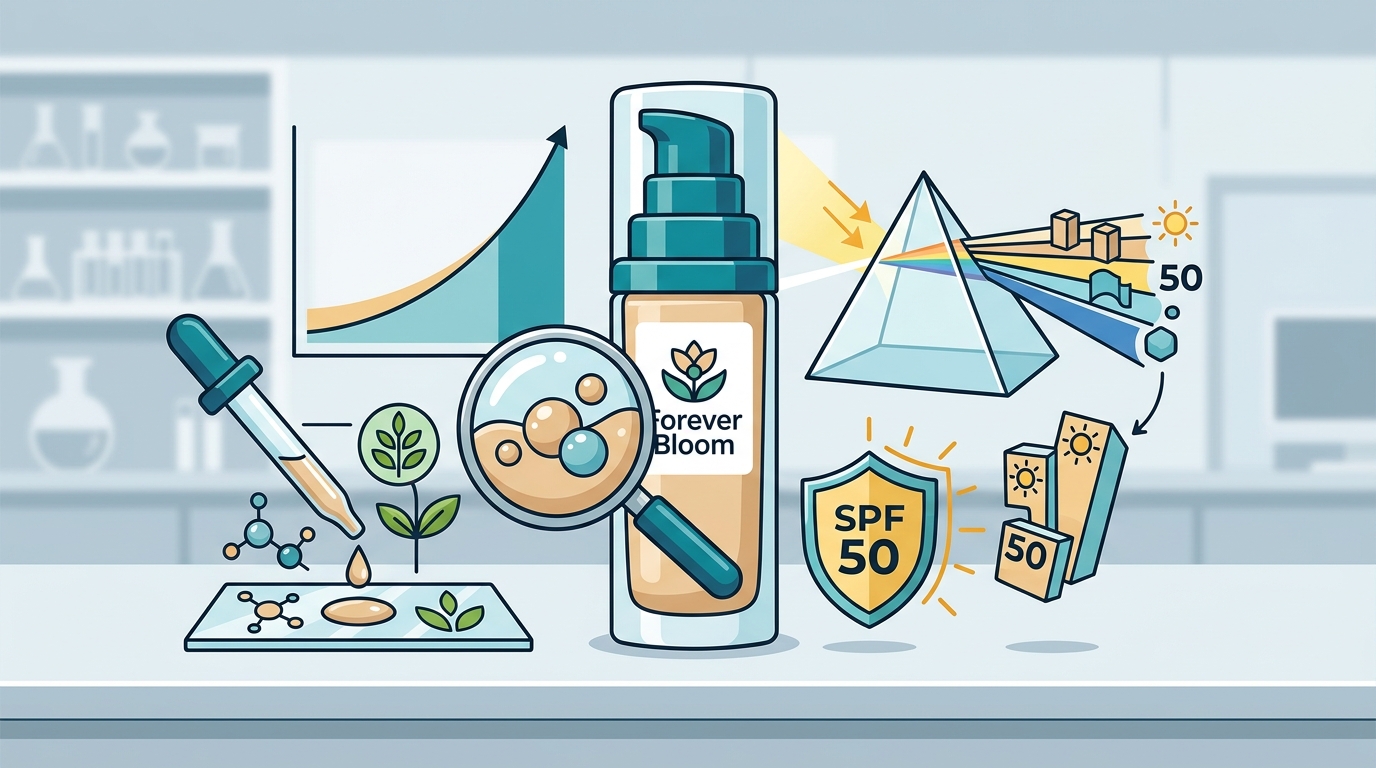
Comparative Analysis of Options
To assist in your evaluation, here is a comparison of key features found in high-end 4-in-1 foundations, specifically focusing on the Biomimic line and general market standards.
| Feature | Biomimic Foundation 4-in-1 | Traditional High-SPF Foundation | Standard Tinted Moisturizer |
|---|---|---|---|
| Pigment Technology | Light-adapting, spectrum-specific | Fixed color palette | Minimal pigment load |
| SPF Rating | SPF 50 Broad Spectrum | Varies (often SPF 15-30) | Low (SPF 10-15) |
| Skincare Benefits | Biomimetic hydration & repair | Basic moisturization | Basic moisturization |
| Finish | Natural, skin-like | Matte or Dewy (fixed) | Sheer, dewy |
| Shade Range | Light, Medium, Dark Spectra | Linear shade range | Very limited |
This table highlights the distinct advantages of biomimetic technology. The ability to adapt to the skin's light spectrum provides a more personalized and natural result compared to traditional fixed-color foundations. Additionally, the higher SPF rating in the Biomimic line offers superior protection against UV damage. For more details on the specific benefits of each spectrum, check the foundation FAQ.
Key Takeaways
- Pigment Adaptation: Look for foundations that use light-adapting pigments rather than fixed colors for a more natural finish.
- SPF 50 Efficacy: Ensure the product offers broad-spectrum protection with photostable filters for reliable daily defense.
- Spectrum Options: Choose brands that offer spectral ranges (Light, Medium, Dark) to match your unique skin tone.
- Skincare Actives: Verify the presence of proven ingredients like peptides, hyaluronic acid, and antioxidants.
- Biomimetic Technology: Prioritize products that use biomimicry to enhance skin interaction and reduce irritation.
- Ingredient Transparency: Check for clean beauty standards and the absence of harmful additives.
- Brand Mission: Support brands with a clear commitment to science and skin health, such as Forever Bloom.
Frequently Asked Questions
What is the difference between a 4-in-1 foundation and a regular foundation?
A 4-in-1 foundation combines coverage, SPF 50 protection, skincare benefits, and often primer properties into a single product. Regular foundations typically only provide coverage and may have a lower SPF rating with fewer skincare ingredients.
How does light-adapting pigment work?
Light-adapting pigments use light-reflecting technology to adjust to the wearer's skin tone. This creates a seamless blend that looks natural from any angle, unlike traditional pigments that sit on the skin's surface.
Is SPF 50 foundation enough for daily sun protection?
Yes, SPF 50 provides high-level protection against UVB rays. However, it is important to reapply throughout the day if you are exposed to direct sunlight for extended periods. The broad-spectrum filters also protect against UVA rays.
What are the Light, Medium, and Dark spectra?
These spectra refer to the specific light-adapting formulations designed for different skin tones. Each spectrum is optimized to reflect light in a way that complements the underlying melanin content of that skin type.
Can I use this foundation if I have sensitive skin?
Many 4-in-1 foundations, especially those using biomimetic technology, are formulated to be gentle and non-irritating. It is always recommended to check the ingredient list for any known personal allergens.
How do I choose the right spectrum for my skin?
Choosing the right spectrum depends on your natural skin tone and undertone. If you are unsure, you can consult the Foundation FAQ for detailed guidance on selecting the correct spectral match.
What skincare ingredients are typically found in 4-in-1 foundations?
Common ingredients include hyaluronic acid for hydration, peptides for anti-aging, and vitamins C and E for antioxidant protection. These ingredients help improve skin health over time.
Shop Now
Ready to experience the benefits of biomimetic 4-in-1 technology? Explore the full range of Biomimic Foundation products and find your perfect spectral match. Visit the Forever Bloom homepage to learn more about our mission and science.