

A youthful, natural glow is the ultimate goal for many skincare enthusiasts. However, starting a new routine can feel overwhelming with so many products available. The key is to focus on simplicity and consistency. By choosing the right ingredients and following a structured routine, you can achieve healthy, radiant skin without irritation. This guide will walk you through the essential steps and product types needed to build a solid foundation for your skin health.
Understanding the Science of a Natural Glow
A radiant complexion is not just about surface-level hydration. It is about cellular health and barrier function. When your skin barrier is intact, it reflects light better, creating that coveted "glow." According to dermatological research, maintaining the skin's moisture barrier is critical for preventing transepidermal water loss. This loss can lead to dullness and premature aging signs. Therefore, the first step in any beginner routine is to support the skin's natural defense mechanisms.
Many people mistake oiliness for hydration. True hydration comes from within the skin cells. Ingredients that attract water, such as hyaluronic acid and glycerin, are vital. However, without occlusives to seal that moisture in, the benefits are short-lived. A balanced routine addresses both hydration and protection. This dual approach ensures that your skin remains plump and resilient against environmental stressors.
The Essential Steps for Beginners
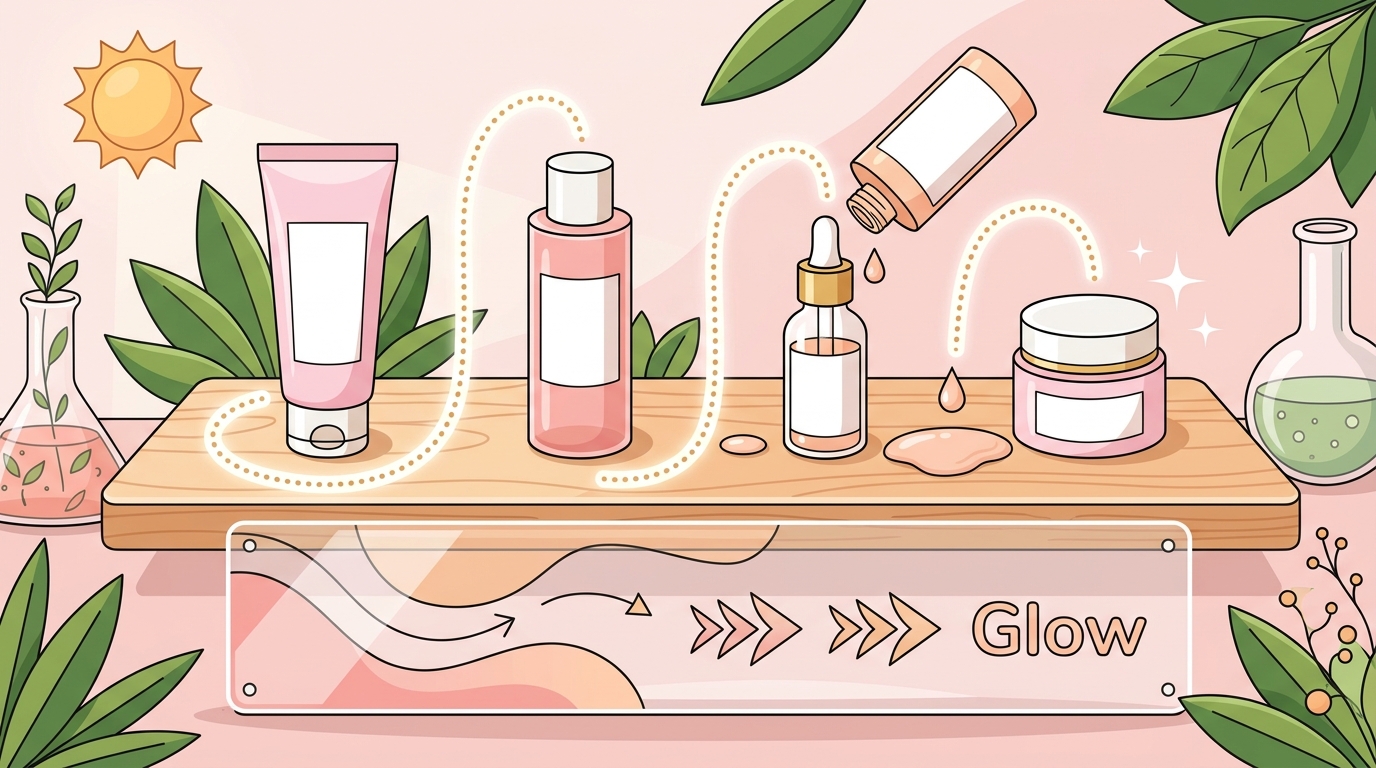
Building a routine does not require ten different products. In fact, simplicity often yields better results for beginners. The core pillars of any effective skincare regimen are cleansing, treating, and protecting. Each step serves a specific purpose in maintaining skin clarity and tone. Let us break down these essential components to help you understand their roles.
Step 1: Gentle Cleansing
Cleansing is the foundation of your routine. It removes dirt, oil, and pollutants that accumulate throughout the day. A harsh cleanser can strip your skin of its natural oils, leading to rebound oil production and irritation. Instead, opt for a hydrating cleanser that maintains the skin's pH balance. The Hydrating Aqua-Marine Cleanser is an excellent example of a product designed to clean without stripping. It uses marine-derived ingredients to soothe the skin while effectively removing impurities.
Step 2: Targeted Treatment
After cleansing, you apply treatments to address specific concerns. For a youthful glow, this step often involves serums rich in antioxidants or peptides. These ingredients work at a cellular level to repair damage and stimulate collagen production. Peptides, for instance, are chains of amino acids that signal your skin to produce more collagen. This process helps to firm the skin and reduce the appearance of fine lines over time.
Step 3: Moisturizing and Protection
Moisturizing locks in the benefits of your treatments. It creates a barrier that keeps hydration inside and irritants out. For daytime use, a moisturizer with SPF is non-negotiable. UV radiation is the primary cause of premature aging. Without daily protection, even the most expensive serums will lose their efficacy. The Vitamin C Bloom Cream offers brightening benefits while providing necessary hydration. Vitamin C is a potent antioxidant that helps to neutralize free radicals generated by sun exposure.
Selecting the Right Products
Choosing products that match your skin type is crucial. Dry skin benefits from richer creams and oils. Oily skin may prefer lightweight, gel-based formulations. Combination skin often requires a balanced approach. It is important to listen to your skin's feedback. If a product causes redness or breakouts, it may be too strong for your current skin barrier.
For those seeking a natural glow, ingredients like niacinamide and vitamin C are highly recommended. Niacinamide helps to regulate oil production and minimize pores. Vitamin C brightens the complexion and evens out skin tone. Combining these ingredients can lead to significant improvements in skin texture and radiance. Always introduce new products one at a time to monitor how your skin reacts.
Why Biomimic Technology Matters
Biomimic technology is a revolutionary approach in skincare. It involves creating products that mimic the structure and function of natural skin components. This method ensures that the ingredients are compatible with your skin's biology. As a result, absorption is improved, and irritation is minimized. The science behind biomimicry focuses on replicating the skin's natural lipids and proteins.
Traditional skincare often uses synthetic ingredients that may not integrate well with the skin. Biomimic products, on the other hand, are designed to work in harmony with your body. This compatibility leads to faster results and long-term skin health. The Biomimic Foundation line is a prime example of this technology in action. It provides coverage while simultaneously treating the skin with advanced peptides and antioxidants.
Building Your Daily Routine
Consistency is the most important factor in seeing results. A well-structured routine should be easy to follow and sustainable. Here is a simple framework for a beginner:
- Morning: Cleanse with a gentle cleanser. Apply a vitamin C serum. Follow with a moisturizer and SPF.
- Evening: Remove makeup if worn. Cleanse again to remove daily grime. Apply a peptide serum or night cream. Finish with a nourishing moisturizer.
For those who want to simplify further, bundles can be a great starting point. These curated sets often include complementary products that work well together. They eliminate the guesswork of product selection and ensure you have everything you need for a complete routine.
Key Takeaways
- Start with a gentle cleanser to protect your skin barrier.
- Incorporate vitamin C for brightening and antioxidant protection.
- Use peptides to support collagen production and skin firmness.
- Always apply SPF during the day to prevent UV damage.
- Consider biomimic technology for better ingredient compatibility.
- Consistency is more important than complexity in skincare.
- Hydration is key to achieving a natural, healthy glow.
Frequently Asked Questions
What is the best first product for a beginner?
The best first product is a gentle, hydrating cleanser. It sets the stage for all other products by ensuring your skin is clean and balanced. A good cleanser removes dirt without stripping natural oils.
How long does it take to see a glow?
Results vary by individual, but most people notice improved hydration within a few days. Visible changes in radiance and texture typically take four to six weeks of consistent use.
Can I use vitamin C and retinol together?
It is generally recommended to use them at different times. Vitamin C is best for the morning, while retinol is often used at night. Combining them can cause irritation for sensitive skin.
What is biomimic skincare?
Biomimic skincare refers to products formulated to mimic the natural components of human skin. This approach enhances absorption and reduces the risk of adverse reactions.
Do I need a separate eye cream?
While not always necessary, an eye cream can address specific concerns like dark circles or fine lines. If your moisturizer is gentle enough, it may suffice for the eye area.
How do I know if a product is right for me?
Perform a patch test on a small area of your skin before full application. Look for signs of redness, itching, or breakouts. If none occur, the product is likely safe for you.
Is natural glow possible with oily skin?
Yes. Oily skin can still be dehydrated. Using lightweight, non-comedogenic hydrators can balance oil production and create a healthy glow without adding greasiness.
Start Your Journey to Radiant Skin
Achieving a youthful, natural glow is within your reach. By following these simple steps and choosing the right products, you can transform your skin health. Explore our full collection of skincare products to find the perfect match for your needs. Visit our about us page to learn more about our commitment to science-backed beauty. Take the first step today and discover the power of biomimic technology.