

Dark circles and under-eye puffiness affect millions of people globally, often signaling fatigue, aging, or genetic predisposition. According to recent dermatological studies, nearly 60% of adults report dissatisfaction with their under-eye appearance due to these specific concerns. The market is flooded with countless options, making the selection process overwhelming. However, understanding the biological mechanisms behind eye area aging allows you to make informed decisions. This guide breaks down the essential steps to identify the correct formulation for your unique skin profile.
Identify the Root Cause of Your Concerns
Before purchasing any product, you must diagnose the underlying cause of your under-eye issues. Dark circles are not a monolithic condition. They can stem from hyperpigmentation, thinning skin, or vascular congestion. Puffiness, on the other hand, is typically caused by fluid retention or fat herniation. Recognizing the difference is critical for effective treatment.
Hyperpigmentation occurs when melanin deposits in the delicate skin under the eyes. This is common in individuals with darker skin tones. Vascular congestion happens when blood vessels under the eyes become dilated or leaky, creating a blue or purple hue. Thinning skin reveals these blood vessels more prominently as we age. Puffiness is often exacerbated by salt intake, allergies, or lack of sleep. Addressing the root cause ensures you do not waste money on ineffective products.
Key Ingredients That Actually Work
Not all ingredients are created equal. The under-eye area has the thinnest skin on the body. It requires potent yet gentle active ingredients. Here are the most effective components to look for in your next purchase.
Caffeine for Puffiness
Caffeine is a vasoconstrictor. It temporarily tightens blood vessels and reduces fluid accumulation. This makes it ideal for morning use when puffiness is most prominent. Look for products that list caffeine high in the ingredient list for maximum efficacy.
Vitamin C for Brightening
Vitamin C is a powerful antioxidant. It inhibits melanin production and brightens hyperpigmentation. Vitamin C Bloom Cream is a prime example of a formulation designed to address discoloration while providing hydration. It also stimulates collagen production, which helps thicken thinning skin over time.
Peptides for Structural Support
Peptides are amino acid chains that signal the skin to produce more collagen. As we age, collagen loss leads to sagging and hollowing. Biomimic technology, as seen in Biomimic Lifting Serum, utilizes advanced peptide complexes to mimic the body's natural healing processes. This approach helps restore firmness without irritation.
Hyaluronic Acid for Hydration
Dehydration lines can mimic wrinkles. Hyaluronic acid draws moisture into the skin. This plumps the area, reducing the appearance of fine lines. It is essential for all skin types, especially in dry climates.
Texture and Formulation Considerations
The texture of your eye cream dictates how it interacts with your makeup and other skincare products. A heavy, greasy cream can cause makeup to slide off or create milia, which are small white cysts. A lightweight gel or serum-based formula is often preferable for the eye area.
Biomimic skincare emphasizes biomimetic technology. This means the formulations are designed to work in harmony with your skin's natural biology. This results in better absorption and fewer side effects like irritation or allergic reactions. When choosing a cream, check if it is non-comedogenic and fragrance-free. Fragrances can be irritating to the sensitive eye area.
Proper Application Techniques
Even the best cream will fail if applied incorrectly. The skin under the eyes is fragile. Rubbing or pulling can cause micro-tears and accelerate aging. Follow these steps for optimal results.
- Use the Ring Finger: Your ring finger applies the least pressure. Use it to dot the product along the orbital bone.
- Pat, Do Not Rub: Gently pat the product into the skin until absorbed. Avoid dragging the skin.
- Apply to the Orbital Bone: Focus on the bone surrounding the eye. Avoid applying too close to the lash line to prevent irritation.
- Use a Pea-Sized Amount: A little goes a long way. Using too much can lead to product buildup and milia.
Consistency is key. Most eye creams require 4 to 12 weeks of daily use to show visible results. Our Story highlights the importance of patience and consistent care in achieving long-term skin health.
Comparing Top Product Categories
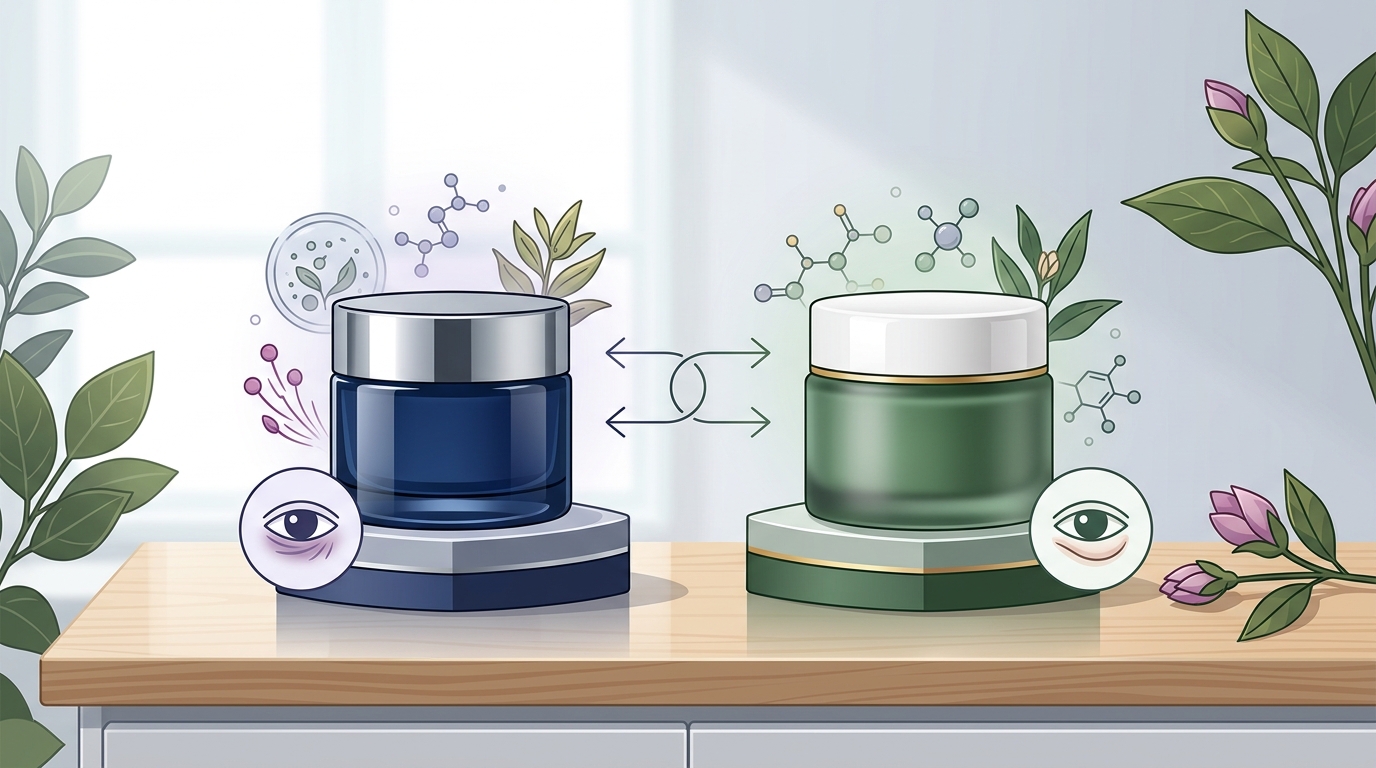
Understanding the differences between product types helps you narrow down your choices. Below is a comparison of common formulations.
| Product Type | Best For | Key Benefit | Example from Forever Bloom |
|---|---|---|---|
| Eye Cream | Dryness, Fine Lines | Deep Hydration | EyeFinity Bloom Cream |
| Serum | Anti-Aging, Firming | High Potency Actives | Biomimic Lifting Serum |
| Gel | Puffiness, Oiliness | Lightweight, Cooling | N/A |
| Oil | Extreme Dryness | Nourishment, Barrier Repair | N/A |
For those seeking a comprehensive solution, bundles often provide value. Combining a brightening cream with a firming serum can address multiple concerns simultaneously. The Biomimic Foundation line also complements skincare by providing coverage that enhances the results of your routine.
Key Takeaways
- Identify whether your concern is pigmentation, vascular, or structural before buying.
- Caffeine reduces puffiness, while Vitamin C brightens dark circles.
- Peptides and Biomimic technology help restore skin firmness and thickness.
- Always apply eye cream with a gentle patting motion using your ring finger.
- Consistency is required. Expect results after 4 to 12 weeks of daily use.
- Choose fragrance-free and non-comedogenic formulas to avoid irritation.
- Explore Forever Bloom's full collection for tailored solutions.
Frequently Asked Questions
How long does it take for eye cream to work?
Most clinical studies indicate that visible improvements in dark circles and puffiness occur after 4 to 12 weeks of consistent daily use. Early improvements in hydration may be seen within days.
Can eye cream remove dark circles permanently?
Eye creams can significantly reduce the appearance of dark circles by thickening skin and reducing pigmentation. However, permanent removal depends on genetic factors and lifestyle changes. Maintenance is required.
Is it better to use a separate eye cream or a face moisturizer?
Eye creams are formulated with lower concentrations of actives and specific textures for the delicate eye area. Face moisturizers may be too heavy or irritating. A dedicated eye product is generally recommended.
What is the best ingredient for dark circles?
Vitamin C is highly effective for pigmentation-related dark circles. Caffeine is best for vascular dark circles. Peptides help with structural thinning. A combination of these ingredients often yields the best results.
Can I use my regular moisturizer under my eyes?
It depends on the formula. If it is gentle and non-comedogenic, it may work. However, dedicated eye creams are optimized for this area. Knowledge Center articles provide more detailed guidance on ingredient safety.
Why does my eye cream cause milia?
Milia are often caused by products that are too heavy or occlusive for the eye area. Switching to a lighter, gel-based, or serum formulation can help prevent this.
Should I use eye cream in the morning or at night?
Using it twice daily is ideal. Morning use helps with puffiness and protection. Night use supports repair and hydration while you sleep.
Shop Biomimic Skincare
Take the first step toward brighter, firmer under-eyes today. Explore the Biomimic Skincare Collection to find the perfect solution for your unique needs. Visit foreverbloom.com to start your journey to radiant skin.