
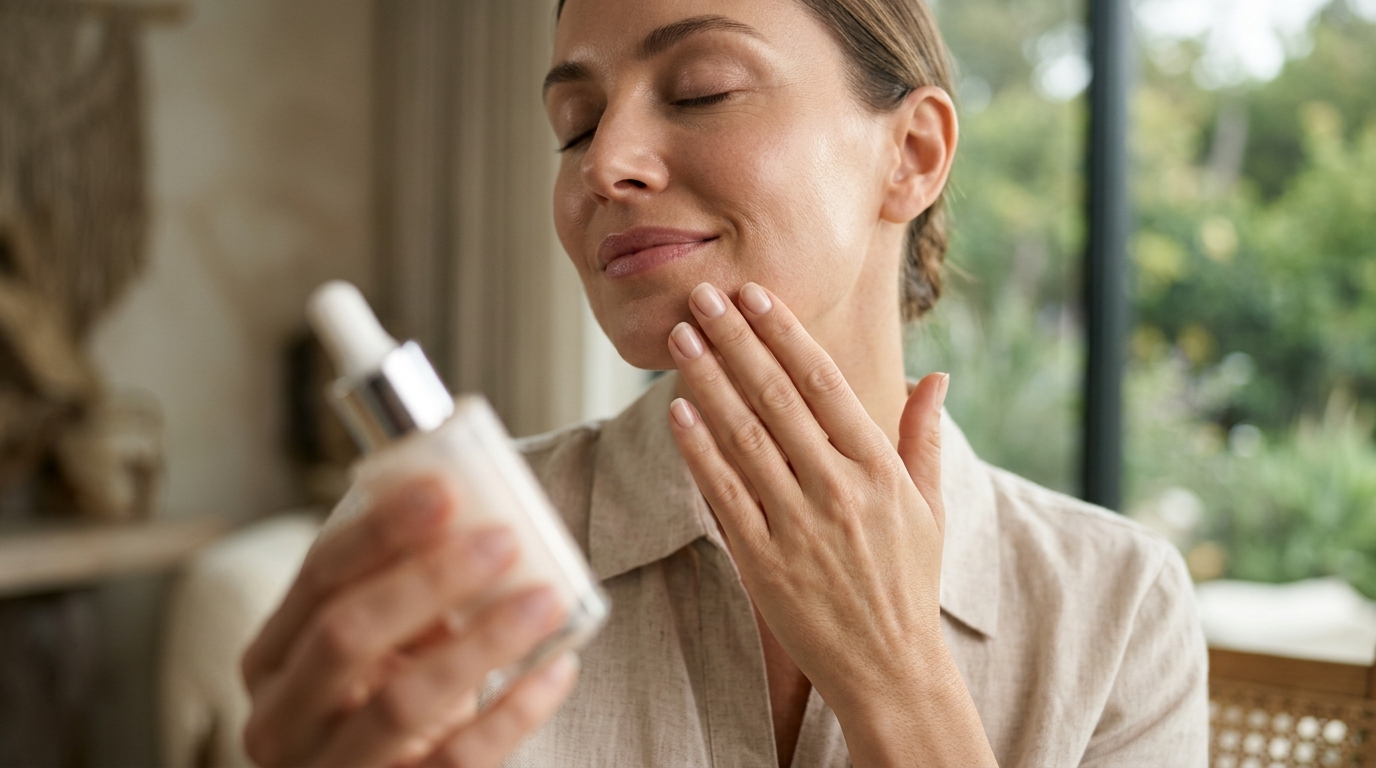
The global cosmetics market is undergoing a significant shift toward personalized skincare solutions. According to market research, the foundation industry is projected to grow at a compound annual growth rate of over 4% through 2030. Consumers are no longer satisfied with one-size-fits-all products. They demand formulations that address specific biological needs, from hydration levels to oil production rates. This evolution has led to a surge in specialized foundation alternatives designed to enhance skin health while providing coverage.
Understanding Skin Types and Needs
Before selecting a foundation, it is crucial to identify your specific skin type. Skin type is determined by the amount of sebum your sebaceous glands produce and your skin's hydration levels. Dermatological standards categorize skin into five main types: normal, dry, oily, combination, and sensitive. Each type reacts differently to cosmetic ingredients, making the choice of foundation critical for both aesthetic results and long-term skin health.
Normal skin has a balanced moisture level and small pores. Dry skin lacks natural oils and may feel tight or flaky. Oily skin produces excess sebum, leading to shine and potential breakouts. Combination skin exhibits oily areas, typically the T-zone, alongside dry cheeks. Sensitive skin reacts easily to irritants, requiring hypoallergenic formulations. Recognizing these distinctions allows for more targeted product selection.
Top Foundation Alternatives for Dry Skin
Dry skin requires foundations that add moisture rather than absorb it. Traditional matte powders can exacerbate dryness, making them a poor choice. Instead, look for hydrating liquid foundations or cream-based formulas. These alternatives often contain hyaluronic acid, glycerin, or botanical oils to lock in moisture.
Hydrating Liquid Foundations
Hydrating liquid foundations are designed to provide a dewy finish. They sit on top of the skin, reflecting light and creating a plump appearance. This finish is particularly flattering for mature skin, which tends to be drier. When applying these foundations, use a damp beauty sponge to ensure even distribution without stripping natural oils.
Cream and Stick Foundations
Cream foundations offer higher coverage with a rich texture. They are ideal for very dry skin that needs extra nourishment. Stick foundations provide portability and precise application. They often contain waxes and butters that create a protective barrier against environmental stressors. This barrier helps prevent transepidermal water loss throughout the day.
For those seeking premium biomimetic solutions, Biomimic Foundation technologies utilize light spectrum analysis to match skin tone while delivering skincare benefits. This approach bridges the gap between makeup and skincare, offering a holistic solution for dry skin concerns.

Best Options for Oily and Acne-Prone Skin
Oily skin is characterized by an overproduction of sebum. This excess oil can cause foundation to slide off, melt, or separate within hours. The goal for oily skin is to control shine without completely drying out the skin, which can trigger a rebound oil production response.
Matte and Powder Foundations
Matte foundations absorb excess oil and provide a velvety finish. They are excellent for controlling shine in the T-zone. Powder foundations offer buildable coverage and are naturally oil-absorbing. They are lightweight and less likely to clog pores. However, they may not provide enough hydration for combination skin types.
Long-Wear and Transfer-Resistant Formulas
Long-wear foundations are engineered to withstand heat, humidity, and sweat. They often contain polymers that form a flexible film on the skin. This film prevents makeup from transferring onto clothing or masks. For acne-prone skin, it is essential to choose non-comedogenic formulas that do not block pores. Look for ingredients like salicylic acid, which can help treat breakouts while you wear makeup.
Research indicates that non-comedogenic products significantly reduce the risk of acne flare-ups in susceptible individuals. Always check product labels for this designation to ensure safety for oily and acne-prone skin.
Gentle Formulations for Sensitive Skin
Sensitive skin reacts to chemical irritants, fragrances, and preservatives. The primary goal for sensitive skin is to minimize exposure to potential triggers while still achieving a desired aesthetic result. Mineral-based foundations are often the safest alternative for this skin type.
Mineral Foundations
Mineral foundations rely on natural pigments like zinc oxide and titanium dioxide. These ingredients provide physical UV protection and have anti-inflammatory properties. They sit on the surface of the skin rather than penetrating it, reducing the risk of irritation. Mineral powders are also less likely to harbor bacteria, making them a hygienic choice for sensitive skin.
Fragrance-Free and Hypoallergenic Options
Fragrance is a common cause of allergic contact dermatitis. Choosing fragrance-free foundations eliminates this risk. Hypoallergenic products are formulated to minimize the likelihood of an allergic reaction. They often exclude common allergens such as parabens, sulfates, and synthetic dyes. Always patch test new products behind the ear or on the inner arm before full application.
For those with highly reactive skin, exploring scientific skincare approaches can provide insight into how biomimetic ingredients interact with the skin barrier. Understanding the science behind product formulation helps in making informed decisions.
Comparative Analysis of Foundation Types
The following table summarizes the key characteristics of different foundation alternatives based on skin type. This comparison helps in quickly identifying the most suitable option for your specific needs.
| Skin Type | Recommended Foundation Type | Key Benefits | Ingredients to Look For |
|---|---|---|---|
| Dry Skin | Hydrating Liquid or Cream | Adds moisture, dewy finish | Hyaluronic acid, glycerin, oils |
| Oily Skin | Matte or Powder | Controls shine, long-lasting | Salicylic acid, silica, clay |
| Combination Skin | Lightweight Liquid | Balances hydration and oil | Niacinamide, lightweight polymers |
| Sensitive Skin | Mineral Powder | Non-irritating, UV protection | Zinc oxide, titanium dioxide |
| Normal Skin | Any Type | Versatility, personal preference | Antioxidants, vitamins |
Key Takeaways
- Identifying your skin type is the first step in choosing the right foundation alternative.
- Dry skin benefits from hydrating liquid and cream foundations that add moisture.
- Oily skin requires matte or powder formulas to control excess sebum production.
- Sensitive skin should opt for mineral-based, fragrance-free, and hypoallergenic options.
- Biomimetic technologies offer advanced solutions that combine makeup with skincare benefits.
- Non-comedogenic products are essential for preventing acne in oily and acne-prone skin.
- Regularly reviewing product ingredients can help avoid potential irritants and allergens.
Frequently Asked Questions
What is the best foundation for dry skin?
Hydrating liquid foundations and cream-based formulas are best for dry skin. They contain ingredients like hyaluronic acid and glycerin to boost moisture levels and prevent flakiness.
How do I choose a foundation for oily skin?
Choose matte or powder foundations that are labeled non-comedogenic. These formulas absorb excess oil and reduce the risk of clogged pores and breakouts.
Are mineral foundations good for sensitive skin?
Yes, mineral foundations are often ideal for sensitive skin. They use natural pigments like zinc oxide and titanium dioxide, which are less likely to cause irritation.
What is biomimic foundation technology?
Biomimic foundation technology refers to formulations that mimic the skin's natural biology. They often use light spectrum analysis to match skin tone and include skincare ingredients to support skin health.
Can I use the same foundation for combination skin?
Yes, lightweight liquid foundations are often suitable for combination skin. They provide enough hydration for dry areas while controlling oil in the T-zone.
How often should I replace my foundation?
It is recommended to replace liquid foundations every six to twelve months. Powder foundations can last longer, but brushes and sponges should be cleaned regularly to prevent bacterial growth.
What ingredients should I avoid for sensitive skin?
Avoid fragrances, parabens, sulfates, and synthetic dyes. These ingredients are common irritants that can trigger allergic reactions in sensitive skin types.
Find Your Perfect Foundation Match
Choosing the right foundation is a personal journey that requires understanding your skin's unique needs. Whether you have dry, oily, or sensitive skin, there is a formulation designed to enhance your natural beauty. Explore our curated collection of premium skincare and makeup products to discover the perfect match for your skin type. Visit our About Us page to learn more about our commitment to science-backed beauty solutions. Start your journey to healthier, more radiant skin today by browsing our exclusive bundles and cleansing essentials.