
Modern cosmetic science has fundamentally shifted how consumers approach daily coverage. According to recent industry data, over sixty percent of adult shoppers now prioritize skin health over heavy pigment application. This demographic shift has accelerated demand for breathable formulas that adapt to individual biological needs. Consumers increasingly reject traditional occlusive bases in favor of adaptive technologies. Understanding these market trends reveals why targeted product selection matters more than ever. Brands that align with dermatological research consistently capture higher retention rates across competitive retail channels.
Understanding Skin Type Classifications in Cosmetics
Selecting the correct base product requires a clear understanding of your unique epidermal behavior. Sebum production is the primary biological indicator that dictates how a cosmetic formula will interact with your face throughout the day. Oily skin types naturally excrete excess lipids, which often breaks down traditional pigment binders. Dry skin types lack sufficient natural moisturizing factors, causing heavy formulas to crack or settle into fine lines. Combination skin presents a complex challenge by balancing active oil glands in the T zone with dry cheeks. Sensitive skin reacts to common preservatives and synthetic fragrances, triggering visible redness or irritation. Recognizing these distinct categories allows you to filter out ineffective products before purchase. You can explore comprehensive guides on ingredient safety by visiting our Knowledge Center for detailed breakdowns.
Lightweight Coverage Options for Oily Complexions
Oily skin demands formulations that actively control excess shine without stripping essential moisture. Matte-finish mineral powders is a category that utilizes zinc oxide and titanium dioxide to absorb surface oils naturally. These particles create a semi-permeable barrier that prevents sebum from breaking down the pigment matrix. Gel-based liquid alternatives offer a similar effect by utilizing water-soluble polymers that dry down to a soft matte finish. Both options prevent the midday shine that often compromises professional appearances. Consumers should avoid heavy cream foundations that trap heat and accelerate bacterial growth. Instead, prioritize products labeled oil-free or non-comedogenic to maintain clear pores. You can browse our complete collection of lightweight bases by visiting our main shop to compare texture profiles.
Hydrating Formulations for Dry and Mature Skin
Dry and mature skin requires formulas that actively replenish lost moisture while providing even coverage. Hyaluronic acid serums is a foundational ingredient that attracts water molecules to the upper epidermal layers. These serums bind directly to pigment carriers, creating a smooth canvas that prevents flaking or patchiness. Cream-based foundations offer superior emollient properties by utilizing plant-derived oils and ceramide complexes. These ingredients reinforce the skin barrier and reduce transepidermal water loss throughout extended wear. Users should avoid alcohol-heavy sprays that evaporate quickly and leave the complexion feeling tight. Instead, prioritize dewy or luminous finishes that reflect light and minimize the appearance of fine lines. You can explore our curated selection of nourishing formulas by visiting our creams and moisturizers page.
Balanced Solutions for Combination and Sensitive Skin
Combination skin requires a strategic approach that addresses multiple zones without causing imbalance. Water-gel hybrids is a formulation type that delivers lightweight hydration while maintaining a breathable structure. These products adapt to varying oil levels across the forehead, nose, and cheeks. Sensitive skin demands hypoallergenic ingredients that bypass common irritants like parabens and synthetic dyes. Fragrance-free mineral tints provide gentle coverage without triggering inflammatory responses. Users should always patch test new products behind the ear or on the inner forearm before full application. This simple precaution prevents costly reactions and preserves your natural complexion. You can review our complete ingredient transparency reports by visiting our official brand page.
Advanced Biomimic Technology in Modern Makeup
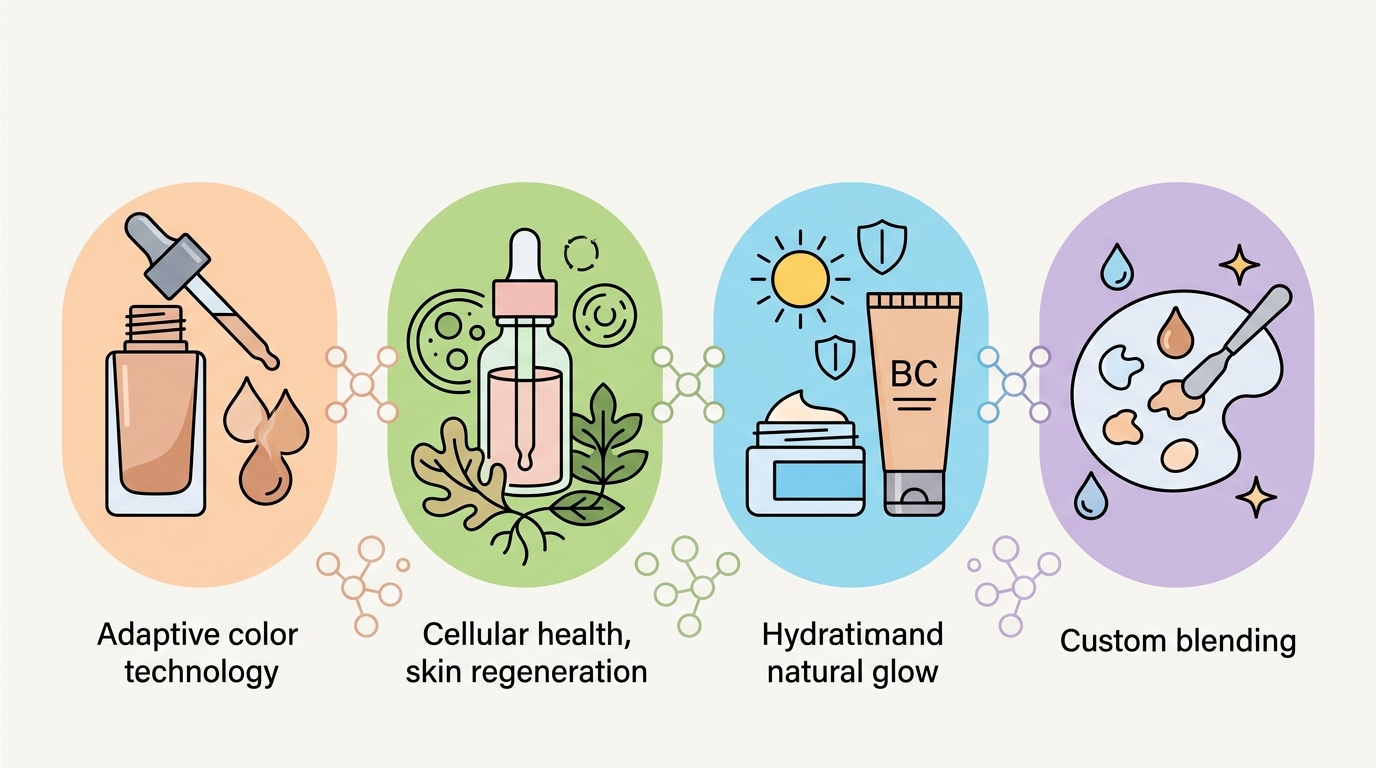
The beauty industry has recently embraced biomimicry as a revolutionary approach to cosmetic formulation. Biomimicry is the scientific practice of designing products that replicate natural biological processes to improve human health. This methodology analyzes how living organisms protect their outer layers from environmental stressors. Brands that adopt this framework create foundations that communicate directly with your skin cells. These adaptive formulas adjust their pigment density based on your natural melanin distribution. They also incorporate oxygen-permeable matrices that prevent clogged pores and bacterial buildup. This technology eliminates the need for heavy primers or multiple setting spres. You can learn more about our proprietary development process by visiting our science and technology page.
How to Match Foundation to Your Natural Undertone
Matching your base product to your underlying skin tone ensures a seamless and natural finish. Undertone classification is the process of identifying whether your skin exhibits cool, warm, or neutral hues beneath the surface. Cool undertones typically display pink or reddish hints and burn easily in direct sunlight. Warm undertones exhibit golden or yellowish hues and tan consistently without burning. Neutral undertones balance both characteristics and adapt to a wider range of pigment shades. You can determine your classification by examining the veins on your inner wrist or testing silver versus gold jewelry. Selecting the correct undertone prevents ashy or orange appearances that compromise your natural radiance. You can explore our spectrum-specific options by visiting our curated bundles page.
| Skin Type | Recommended Formula | Key Ingredients | Best Use Case |
|---|---|---|---|
| Oily | Matte Mineral Powder | Zinc Oxide, Rice Starch | High-humidity environments |
| Dry | Hydrating Serum Base | Hyaluronic Acid, Ceramides | Winter or air-conditioned spaces |
| Combination | Water-Gel Hybrid | Niacinamide, Green Tea Extract | Daily office or school wear |
| Sensitive | Fragrance-Free Tint | Allantoin, Oat Kernel Extract | Post-procedure recovery |
Key Takeaways
- Over sixty percent of modern consumers prioritize skin health over heavy pigment application.
- Oily skin types benefit most from matte mineral powders containing zinc oxide.
- Dry and mature skin requires hyaluronic acid serums to prevent flaking and patchiness.
- Combination skin performs best with water-gel hybrids that adapt to varying oil levels.
- Sensitive skin demands fragrance-free tints to avoid inflammatory reactions.
- Biomimic technology creates adaptive formulas that communicate directly with skin cells.
- Matching your undertone prevents ashy or orange appearances that compromise natural radiance.
Frequently Asked Questions
Can I use a matte foundation if I have dry skin?
Matte foundations are generally not recommended for dry skin because they absorb natural oils and emphasize fine lines. You should instead choose a hydrating serum base that replenishes moisture while providing coverage.
How do I determine if I have cool or warm undertones?
You can determine your undertone by examining the veins on your inner wrist. Blue or purple veins indicate cool undertones, while greenish veins suggest warm undertones.
Are mineral foundations safe for sensitive skin?
Mineral foundations are typically safe for sensitive skin when they are free from synthetic fragrances and preservatives. Always verify the ingredient list before purchasing to avoid known irritants.
How long should a lightweight foundation last on oily skin?
A properly formulated lightweight foundation should last eight to ten hours on oily skin without requiring touch-ups. Setting sprays and oil-absorbing primers can extend wear time even further.
Can I mix different foundation formulas for better coverage?
Mixing different formulas is generally discouraged because it can alter the chemical stability of the product. You should instead select a single formula that matches your specific skin type and coverage needs.
What is the best way to remove foundation without damaging skin?
You should use a gentle oil-based cleanser to dissolve pigment without stripping your natural moisture barrier. Double cleansing ensures complete removal and prevents clogged pores overnight.
Do I need to use a primer before applying foundation?
Primer usage depends entirely on your skin type and the specific foundation formula. Oily skin benefits from silicone-based primers, while dry skin requires hydrating gel primers.
How often should I replace my foundation products?
You should replace liquid foundations every twelve to eighteen months to prevent bacterial growth. Powder formulas can last up to two years if stored in a cool, dry environment.
Next Steps for Your Routine
Transitioning to a skin-first makeup routine requires patience and precise product selection. You should start by identifying your exact skin type and undertone classification. Next, select a formula that aligns with your daily environmental exposure and lifestyle demands. Finally, establish a consistent cleansing and moisturizing routine to maximize your product performance. Visit foreverbloom.com to explore our complete collection of biomimic foundations and serums. Our team provides personalized consultations to help you build a routine that prioritizes long-term skin health.