
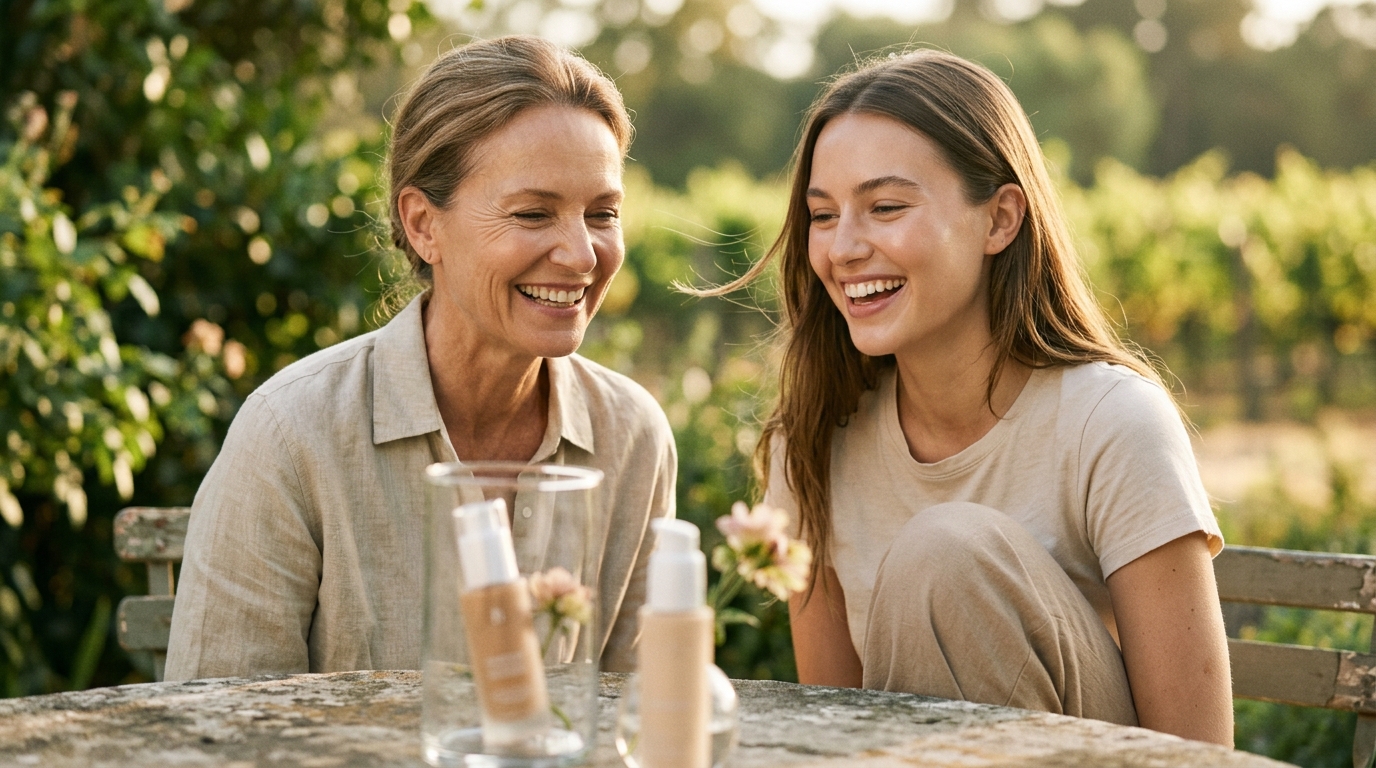
Modern cosmetic science recognizes that human skin varies dramatically across geographic regions and individual genetics. According to recent dermatological surveys, approximately eighty percent of consumers struggle to find a single base product that maintains stability across changing humidity and temperature. This widespread mismatch drives demand for specialized formulations that adapt to biological needs rather than forcing a uniform finish. Brands like Forever Bloom have responded by engineering biomimic systems that mirror natural epidermal behavior. Understanding these alternatives requires examining how different formulations interact with oil production, moisture retention, and barrier integrity.
Understanding Skin Type Classifications
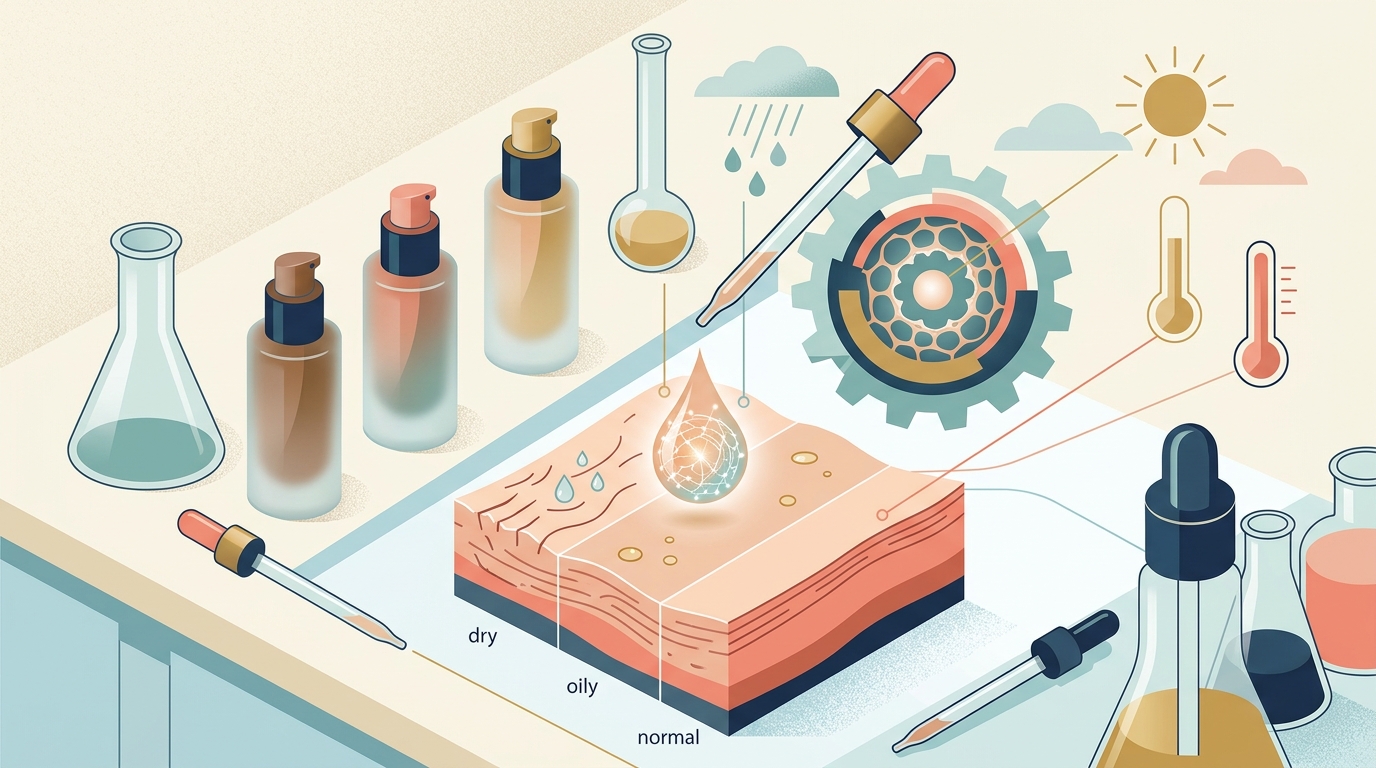
Dermatologists categorize facial skin into distinct functional groups based on sebum output and transepidermal water loss. Sebum production is the natural oil secretion generated by sebaceous glands to maintain surface lubrication and microbial defense. When this process accelerates, pores appear enlarged and makeup tends to slide or oxidize throughout the day. Conversely, reduced lipid synthesis leads to flaking, tightness, and premature fine line visibility. Recognizing your baseline classification determines whether you require oil-controlling powders, humectant-rich liquids, or barrier-repairing creams. The right alternative prevents irritation while delivering consistent pigment distribution.
Why Classification Matters
Applying a heavy matte formula to dry skin creates micro-cracks that emphasize texture. Applying a rich cream to oily skin triggers compensatory oil production and clogged follicles. Matching formulation density to biological output remains the foundational rule of modern cosmetic application.
Lightweight Coverage for Oily Complexions
Oily skin requires formulations that absorb excess surface lipids without stripping essential moisture. Traditional powder foundations often settle into pores and create a chalky appearance after several hours. Modern alternatives utilize silica-based binders and lightweight polymers to create a breathable matrix. These products allow the skin to regulate temperature while maintaining a smooth canvas. Oil-controlling formulations are cosmetic bases engineered to bind surface lipids and reduce shine without compromising barrier function. Users frequently report extended wear times when pairing these bases with targeted primers. The Biomimic Foundation 4 in 1 series offers spectrum-specific options that adapt to natural melanin distribution rather than masking it.
Application Strategy
Start with a gentle cleanser to remove accumulated debris. Follow with a thin layer of lightweight coverage and blend outward toward the hairline. Allow the formula to set for ninety seconds before applying additional product. This method prevents patchiness and ensures even pigment dispersion.
Hydrating Formulations for Dry and Dehydrated Skin
Dehydrated skin lacks water content rather than natural oils, creating a dull and rough appearance. Standard matte foundations exacerbate this condition by absorbing available moisture and emphasizing flaky patches. Hydrating alternatives incorporate hyaluronic acid derivatives, ceramide complexes, and botanical extracts to replenish surface liquidity. These formulations spread easily and fuse with the skin rather than sitting on top. Humectant-rich cosmetics are makeup bases designed to attract and retain atmospheric moisture while delivering consistent color payoff. Consumers with this profile benefit from cream-based foundations that double as moisturizers. The Nourishing Night Glow and Vitamin C Bloom Cream line demonstrates how skincare and coverage can merge into a single step.
Hydration Maintenance
Apply hydrating foundation to damp skin to maximize absorption. Use a damp sponge to press the product into dry areas rather than dragging it across the surface. Reapply a light mist of hydrating spray if the environment becomes excessively arid.
Balanced Solutions for Combination Profiles
Combination skin presents conflicting demands across different facial zones. The T-zone typically produces excess oil while the cheeks remain dry or sensitive. Traditional one-size-fits-all foundations fail to address this regional disparity. Balanced alternatives utilize adaptive polymers that adjust viscosity based on local moisture levels. These products deliver medium coverage without emphasizing texture or causing shine. Adaptive coverage systems are cosmetic technologies that modify their physical properties in response to localized skin conditions. Users benefit from products that maintain consistency across the entire face. The Knowledge Center provides detailed guidance on selecting the appropriate spectrum for mixed profiles.
Zonal Application
Apply a thinner layer to the forehead and nose to prevent excess buildup. Use a slightly thicker application on the cheeks and jawline to address dryness. Blend thoroughly to eliminate visible demarcation lines between zones.
Gentle Formulations for Sensitive and Reactive Skin
Sensitive skin reacts to fragrances, preservatives, and harsh solvents with redness, itching, or breakouts. Conventional foundations often contain alcohol-based solvents that disrupt the acid mantle. Gentle alternatives prioritize minimal ingredient lists and non-comedogenic binders. These products avoid common irritants while delivering reliable pigment coverage. Non-comedogenic cosmetics are makeup products formulated to avoid clogging hair follicles and triggering inflammatory responses. Individuals with reactive skin benefit from mineral-based or biomimic-based options. The Dual Action Eye Makeup Remover and Hydrating Aqua-Marine Cleanser demonstrate how gentle care routines support long-term tolerance.
Ingredient Screening
Review ingredient lists for known irritants like synthetic fragrances and high-concentration alcohols. Patch test new products on the inner arm before applying to the face. Introduce one new formulation at a time to track potential reactions accurately.
Advanced Support for Mature and Aging Complexions
Mature skin experiences reduced cell turnover, thinner epidermal layers, and decreased collagen density. Heavy foundations settle into fine lines and emphasize texture over time. Advanced alternatives incorporate peptides, antioxidants, and light-diffusing particles to create a youthful appearance. These formulations provide coverage while actively supporting skin health. Anti-aging cosmetics are makeup products enriched with active compounds that support cellular renewal and reduce visible signs of aging. Users benefit from products that brighten dullness and smooth surface irregularities. The Amino-Peptide Youth Recovery Complex and EyeFinity Bloom Cream showcase how targeted ingredients address specific aging markers.
Texture Management
Use circular motions to blend foundation into fine lines rather than pulling downward. Allow the product to oxidize slightly before assessing the final finish. Layer a thin concealer only where necessary to avoid heavy buildup.
| Foundation Alternative | Best For | Key Benefit | Product Link |
|---|---|---|---|
| Traditional Powder | Oily Skin | Controls excess shine | Shop All Foundations |
| Hydrating Cream | Dry Skin | Retains surface moisture | View Creams & Moisturizers |
| Adaptive Liquid | Combination Skin | Adjusts to regional needs | Explore Bundle Options |
| Mineral Base | Sensitive Skin | Minimizes irritation risk | Browse Cleansers |
| Biomimic Spectrum | All Types | Mirrors natural biology | Discover Biomimic Foundation |
Key Takeaways
- Eighty percent of consumers struggle to find a single base product that maintains stability across changing humidity and temperature.
- Biomimic technology mirrors natural epidermal behavior rather than masking it with heavy pigments.
- Sebum production varies dramatically across geographic regions and individual genetics.
- Hydrating formulations incorporate hyaluronic acid derivatives and ceramide complexes to replenish surface liquidity.
- Adaptive coverage systems modify their physical properties in response to localized skin conditions.
- Non-comedogenic cosmetics avoid clogging hair follicles and triggering inflammatory responses.
- Anti-aging cosmetics contain active compounds that support cellular renewal and reduce visible signs of aging.
Frequently Asked Questions
How do I determine my exact skin type?
Perform a simple bare-face test by washing your face and waiting two hours without applying any products. Observe which areas feel tight, shiny, or comfortable. This method reveals your baseline classification without product interference.
Can I use foundation alternatives if I have active acne?
Yes, provided you select non-comedogenic formulas that avoid heavy occlusive agents. Look for products labeled oil-free and fragrance-free to minimize breakout triggers.
Do biomimic foundations require special removal techniques?
Standard gentle cleansers effectively remove these formulations without harsh rubbing. The Dual Action Eye Makeup Remover offers a targeted solution for long-wear products.
How often should I replace my foundation?
Manufacturers recommend replacing liquid and cream foundations every twelve to eighteen months. Powder formulations typically last longer but should be discarded if they develop an unusual odor or texture.
Are foundation alternatives safe for pregnancy?
Most modern alternatives avoid retinoids and high-dose salicylic acid. Always verify ingredient lists and consult a healthcare provider before introducing new products during pregnancy.
Can I layer sunscreen over foundation alternatives?
Yes, but you must apply sunscreen as the final skincare step before makeup. Allow the sunscreen to set for three minutes before applying your base product to prevent pilling.
Do these products work for all ethnicities?
Modern spectrum-based systems address melanin distribution across diverse ethnic backgrounds. Selecting the correct light, medium, or dark spectrum ensures accurate color matching.
How long do these alternatives typically last?
Most modern formulations maintain integrity for eight to twelve hours under normal conditions. Environmental factors like humidity and temperature may slightly alter wear time.
Final Recommendations and Next Steps
Selecting the right foundation alternative requires matching formulation density to your biological output. Traditional powders control oil, hydrating creams replenish moisture, and adaptive liquids balance regional demands. Biomimic systems represent the next evolution by mirroring natural skin behavior rather than fighting it. Explore the complete collection to find your ideal spectrum and begin your customized routine today. Visit Forever Bloom to browse available products and access expert guidance.