
Dark circles and under-eye puffiness are two of the most common skincare complaints, yet finding the right cream can feel overwhelming. With hundreds of products on the market, each promising brighter, firmer eyes, how do you separate real results from marketing hype? The answer lies in understanding what causes these concerns in the first place, then matching the right active ingredients to your specific needs. This guide walks you through the science behind dark circles and puffiness and shows you exactly what to look for in an effective eye cream.
What Causes Dark Circles and Puffiness?
Before you shop, it helps to understand the root causes. Dark circles are not just a sign of tiredness. According to Cleveland Clinic, aging, genetics, allergies, lack of sleep, and dehydration can all cause dark circles under your eyes. Periorbital hyperpigmentation is the clinical term for darkened skin beneath the lower eyelids, and it has multiple contributing mechanisms.
Pigmentation and Blood Vessels
The skin around the eyes is significantly thinner than anywhere else on the body. As DermNet explains, pigmentation under the eyes is associated with dermal deposition of melanin. Visible blood vessels beneath this thin skin can also create a blue or purple tint that many people mistake for bruising.
Fluid Retention and Aging
Puffiness is the swelling that occurs when fluid accumulates in the under-eye tissue. Sleep deprivation, high sodium intake, and allergies are frequent triggers. Over time, age-related fat and collagen loss in the mid-face area can deepen the tear trough, making shadows and bags more pronounced.

Key Ingredients That Actually Work
Not every eye cream is created equal. When evaluating a product, look at the active ingredients list first. Here are the proven performers.
Peptides
Peptides are short chains of amino acids that signal your skin to produce more collagen and elastin. According to board-certified facial plastic surgeon Dr. Joel Kopelman, clinical studies suggest that peptides can significantly improve the appearance of under-eye skin when used regularly. They are especially helpful for people experiencing dark circles and puffiness due to collagen loss.
Antioxidants and Botanical Extracts
Vitamin C, niacinamide, and plant-derived antioxidants neutralize oxidative stress, one of the key drivers of under-eye discoloration. A well-formulated eye cream will combine these brightening agents with hydrating actives for a two-pronged approach. Forever Bloom's Vitamin C Bloom Cream uses a highly stable form of Vitamin C with a high absorbance rate, helping it reach the dermis layer quickly.
Retinol and Caffeine
Retinol is a vitamin A derivative that increases cell turnover and thickens the skin, making underlying darkness less visible. Caffeine is a vasoconstrictor that temporarily shrinks swollen tissue under the eye. Dermatologists at Forefront Dermatology recommend creams with hyaluronic acid and caffeine to reduce puffiness while keeping the delicate area hydrated.
Ingredient Comparison Table
| Ingredient | Targets Dark Circles | Targets Puffiness | Best For |
|---|---|---|---|
| Peptides | Yes | Yes | Collagen loss, fine lines |
| Retinol | Yes | No | Thinning skin, cell turnover |
| Caffeine | Mild | Yes | Morning puffiness, fluid retention |
| Vitamin C | Yes | No | Pigmentation, brightening |
| Hyaluronic Acid | Mild | Yes | Dehydration lines, plumping |
| Niacinamide | Yes | Mild | Uneven tone, barrier repair |
Matching Your Eye Cream to Your Skin Type
Your skin type plays a big role in which formula will work best. If you have dry or delicate skin, choose richer textures and hydrating formulations. For oily or combination skin, lightweight gels or serums that absorb quickly are a better fit.
Sensitive skin requires extra caution. Look for fragrance-free formulas with gentle delivery systems. Forever Bloom's EyeFinity Bloom Cream is formulated with clinically backed peptides, antioxidants, and botanical extracts, making it suitable for all skin types. It uses an advanced biotech formula with extracellular matrix support that adjusts to the specific needs of the skin.
If your primary concern is pigmentation, prioritize products containing Vitamin C or niacinamide. If puffiness is your main issue, prioritize caffeine and peptide combinations. For aging concerns like fine lines plus dark circles, a multi-active formula with peptides and retinol covers the most ground.
How to Apply Eye Cream for Best Results
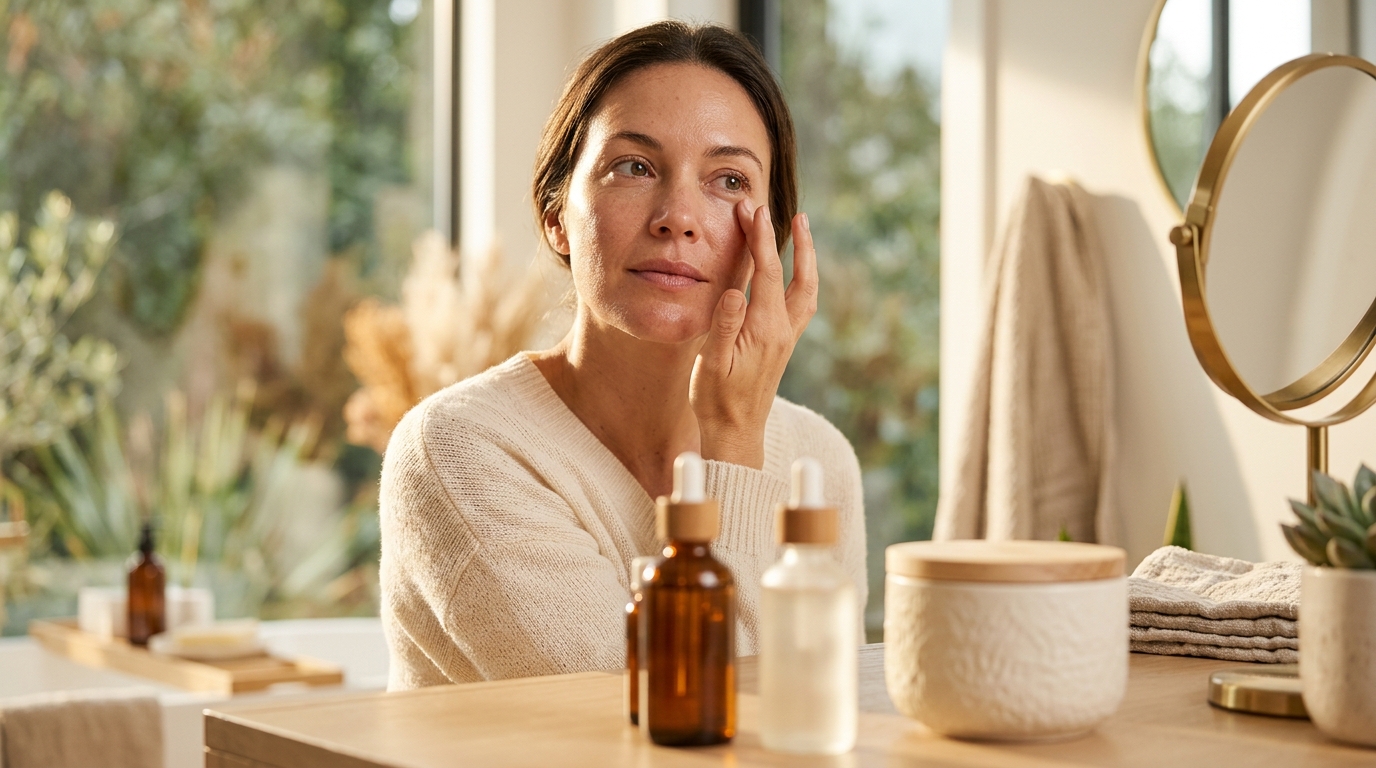
Even the best formula underperforms if applied incorrectly. Use your ring finger to tap a small, pea-sized amount of product along the orbital bone. The ring finger applies the least pressure, which protects the fragile under-eye skin. Avoid rubbing or pulling, as this can worsen both puffiness and pigmentation over time.
Apply eye cream twice daily, morning and night, after cleansing and before moisturizer. For a thorough cleanse around the eye area, a gentle remover like the Dual Action Eye Makeup Remover from Forever Bloom is formulated at a pH close to natural tears, so it protects this sensitive zone while removing makeup effectively.
Lifestyle Habits That Support Your Eye Cream
No cream works in isolation. Cleveland Clinic recommends getting at least seven hours of sleep each night and elevating your head with extra pillows to prevent fluid from pooling beneath the eyes. Cold compresses in the morning can shrink dilated blood vessels and reduce both puffiness and dark circle appearance.
Reducing sodium intake, managing allergies, and wearing broad-spectrum SPF daily all help preserve results. Forever Bloom's full skincare collection is built around a cellular approach that supports skin regeneration from multiple angles, pairing well with healthy daily habits.
Key Takeaways
- Dark circles result from pigmentation, visible blood vessels, and volume loss, not just lack of sleep.
- Puffiness is caused by fluid retention, allergies, and age-related tissue changes.
- Peptides, retinol, caffeine, and Vitamin C are the most evidence-backed ingredients for under-eye concerns.
- Match your eye cream formula to your skin type: rich textures for dry skin, lightweight gels for oily skin.
- Apply with your ring finger along the orbital bone, twice daily, for optimal absorption.
- Lifestyle factors like sleep quality, hydration, and SPF use dramatically affect results.
- A multi-active formula like EyeFinity Bloom Cream addresses dark circles, puffiness, and fine lines in one step.
Frequently Asked Questions
What is the main cause of dark circles under the eyes?
Dark circles have several causes. According to dermatologists, the most common cause is visible blood vessels or increased pigment beneath the thin under-eye skin. Genetics, aging, fatigue, and allergies all contribute.
Can eye cream alone get rid of dark circles?
Eye cream can significantly reduce the appearance of dark circles over time, especially formulas with peptides, retinol, and Vitamin C. However, combining topical treatment with adequate sleep and sun protection delivers the best results.
How long does it take for an eye cream to work?
Dermatologists recommend using peptide-rich eye creams consistently for several weeks before expecting visible improvement. Most users notice changes within 4 to 8 weeks of daily use.
Are peptides or retinol better for under-eye concerns?
Both are effective but serve different functions. Retinol increases cell turnover and thickens skin, while peptides support collagen production and reduce puffiness. Many advanced formulas include both for comprehensive results.
What ingredients should I avoid in an eye cream?
Avoid added fragrances, drying alcohols, and harsh exfoliants near the eye area. These can irritate thin skin and worsen dark circles. Look for gentle, dermatologist-tested formulations instead.
Does caffeine in eye cream really reduce puffiness?
Yes. Caffeine is a vasoconstrictor that temporarily shrinks swollen blood vessels and tissue under the eye. It is most effective for morning puffiness caused by fluid retention overnight.
Is EyeFinity Bloom Cream good for sensitive skin?
EyeFinity Bloom Cream is formulated with botanical extracts, peptides, and antioxidants and is designed to be suitable for all skin types, including sensitive skin. It uses a gentle delivery system for maximum efficacy without irritation.
Should I apply eye cream before or after moisturizer?
Apply eye cream after cleansing and before your regular moisturizer. This ensures the active ingredients are absorbed directly into the under-eye skin without being diluted by heavier products.
Ready to Refresh Your Under-Eye Area?
If dark circles and puffiness have been holding you back, it is time to invest in a science-backed eye cream that targets both concerns at once. Explore EyeFinity Bloom Cream and experience peptide-powered renewal with a 100% satisfaction guarantee.