
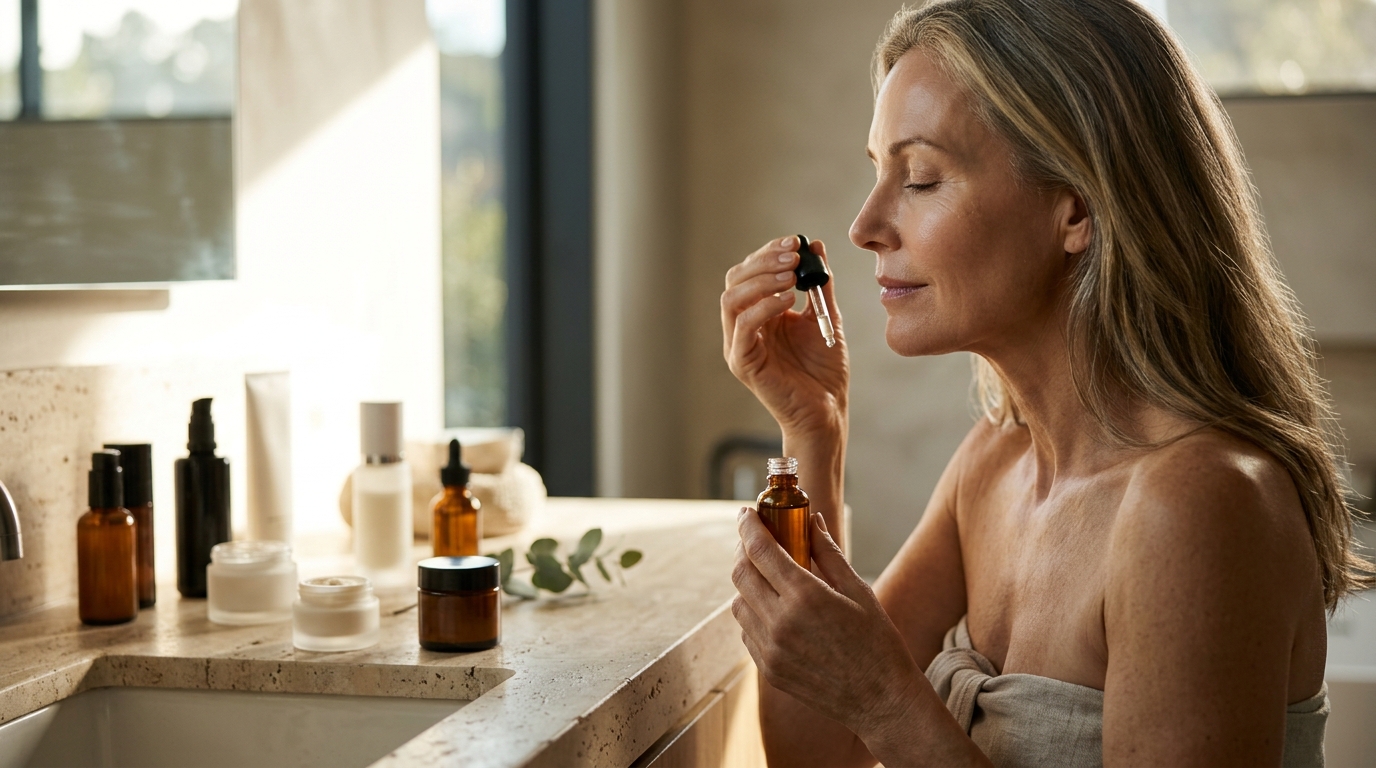
Great skin is not built overnight. Your skin cells follow a natural renewal cycle that takes roughly 28 days in younger adults and can stretch to 40 to 60 days as you age. That means the products you apply today may not show visible results for weeks or even months. Optimizing your skincare routine for the long term means understanding this biology, choosing formulas that work with your skin rather than against it, and staying consistent. In this guide, we break down the science of cellular turnover, the ingredients that matter most, and a step-by-step framework to help you build a routine that delivers real, lasting results.
Understanding Your Skin's Renewal Cycle
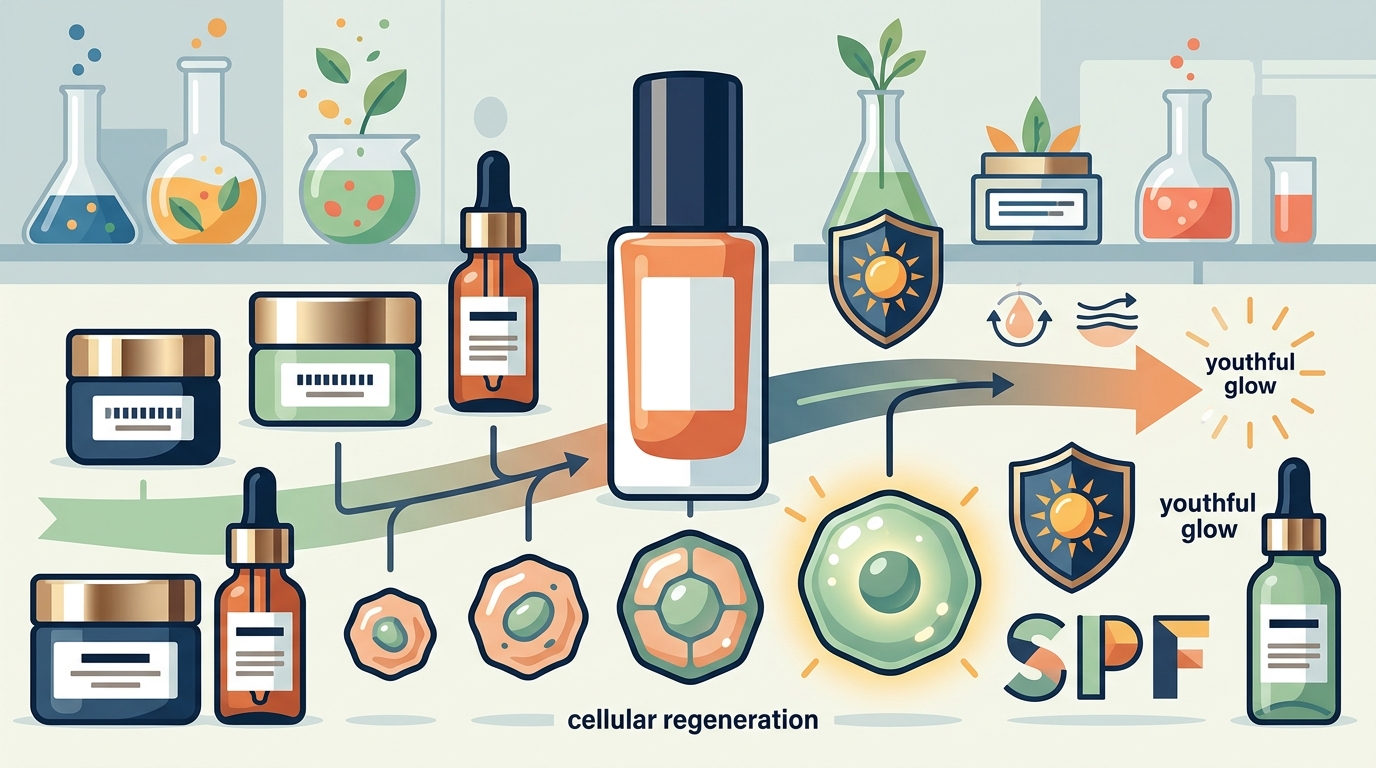
Cell turnover is the natural process by which your skin sheds dead cells and replaces them with new ones. In healthy young adults, this cycle completes in about 28 to 40 days. As you reach your 40s and 50s, turnover can slow to 60 days or longer, which explains why mature skin often looks duller and responds more slowly to new products.
This biological reality has a practical consequence: you need to use a product consistently for at least 6 to 8 weeks before you can fairly judge whether it works. Abandoning a serum after two weeks is almost always premature. Products like the Biomimic Lifting Serum are designed to support this renewal process by delivering biomimetic peptides that signal your skin to produce more collagen and elastin over multiple turnover cycles.
Why Consistency Beats Complexity
A 12-step routine means nothing if you skip it three days a week. Dermatologists consistently advise that a simple, repeatable regimen outperforms a complicated one you cannot maintain. The goal is to reduce friction so you actually follow through every morning and night.
Simplify with Multi-Benefit Products
One effective strategy is choosing products that combine multiple benefits. For example, a foundation with built-in SPF 50 and anti-aging actives eliminates separate primer, sunscreen, and color-corrector steps. The Biomimic Foundation is a 4-in-1 formula that adapts to your skin tone while delivering sun protection and skincare benefits in about 30 seconds.
The Power of Nightly Repair
Your skin does its heaviest repair work while you sleep. A dedicated night cream like Nourishing Night Glow targets collagen types I, III, and IV along with fibronectins, supporting the structural repair that happens during overnight rest.
Daily SPF: The Single Best Anti-Aging Step
If you could only do one thing for long-term skin health, it should be wearing sunscreen every day. A landmark randomized trial published in Annals of Internal Medicine (2013) found that daily sunscreen users showed 24% less skin aging after 4.5 years compared to those who used sunscreen only occasionally.
UV damage is the primary driver of photoaging. UVA rays penetrate deep into the dermis, breaking down collagen and generating oxidative stress. As Stanford Medicine dermatologists emphasize, sunscreen is a safe, essential tool for preventing skin cancer and the overall effects of aging on the skin. Choosing a product that integrates SPF into your daily makeup, such as a foundation with broad-spectrum SPF 50, removes the friction of adding an extra step.
Key Ingredients for Long-Term Skin Health
Not all actives work on the same timeline. Understanding what each ingredient does and how long it takes helps you set realistic expectations.
Peptides and Growth Factors
Biomimetic peptides are lab-created chains of amino acids that mimic natural signaling molecules in the skin. They tell your cells to ramp up collagen and elastin production. Forever Bloom's research team uses peptide biomimic technology specifically designed to work in harmony with your skin's natural biology.
Vitamin C
Vitamin C is a potent antioxidant that neutralizes free radicals and is essential for collagen synthesis. A well-formulated Vitamin C cream can brighten skin tone and reduce discoloration with regular use over 4 to 12 weeks.
Hyaluronic Acid
Hyaluronic acid is a naturally occurring molecule that holds up to 1,000 times its weight in water. It delivers immediate hydration and plumps fine lines, though its deepest benefits become more apparent after consistent use over multiple skin cycles.
Building Your Optimized Routine Step by Step
Morning: Cleanse gently, apply a vitamin C product or antioxidant serum, follow with a moisturizer, and finish with broad-spectrum SPF 50. If you use a multi-benefit foundation like the Biomimic Foundation, you can combine the last two steps into one.
Evening: Double cleanse if you wore makeup or sunscreen, apply a treatment serum with peptides or retinoids, and seal everything with a nourishing night cream. Use nightly to achieve optimum results.
Weekly: Incorporate gentle exfoliation one to two times per week using AHAs or BHAs to support cell turnover without over-stripping the skin barrier.
Ingredient Timeline Comparison
| Ingredient | Primary Benefit | Time to Visible Results | Best Used |
|---|---|---|---|
| Broad-Spectrum SPF | UV protection, anti-aging | Cumulative (months/years) | Every morning |
| Vitamin C | Brightening, collagen support | 4 to 12 weeks | Morning |
| Biomimetic Peptides | Collagen and elastin signaling | 8 to 12 weeks | Morning or evening |
| Hyaluronic Acid | Deep hydration, plumping | Immediate to 4 weeks | Morning and evening |
| Retinoids | Cell turnover, fine lines | 4 to 24 weeks | Evening only |
| AHAs/BHAs | Exfoliation, texture | 2 to 6 weeks | 1 to 2 times per week |
| Night Cream (Collagen blend) | Structural repair, firmness | 4 to 8 weeks | Every evening |
Key Takeaways
- Your skin renews itself on a 28- to 60-day cycle depending on age; give products at least 6 to 8 weeks before judging results.
- Daily broad-spectrum sunscreen is the most evidence-backed anti-aging step, shown to reduce skin aging by 24% over 4.5 years.
- Consistency matters more than complexity; a simple routine you follow daily outperforms a complicated one you skip.
- Multi-benefit products like SPF-infused foundations reduce steps and increase compliance.
- Biomimetic peptides, vitamin C, and hyaluronic acid each work on different timelines; layering them creates compounding results.
- Nighttime is when your skin does its deepest repair; never skip your evening routine.
- Non-toxic, science-backed formulas aligned with your skin's biology deliver safer, more sustainable outcomes.
Frequently Asked Questions
How long does it take for a new skincare routine to show results?
Most dermatologists recommend waiting at least 6 to 8 weeks, which corresponds to one or two full skin cell turnover cycles. Hydrating products may show immediate improvement, but anti-aging actives like peptides and retinoids need 8 to 12 weeks for visible change.
What is the most important step in a long-term skincare routine?
Daily sunscreen application. A 2013 randomized trial published in Annals of Internal Medicine demonstrated that consistent daily SPF use resulted in 24% less skin aging compared to occasional use.
Can one product really replace multiple skincare steps?
Yes. Multi-benefit formulas that combine foundation, SPF 50, and anti-aging actives can replace primer, sunscreen, color corrector, and foundation in a single application. The Biomimic Foundation from Forever Bloom is one such 4-in-1 product.
What does biomimetic mean in skincare?
Biomimetic skincare is an approach that uses ingredients designed to mimic the natural biological processes of the skin, such as collagen production and cellular repair. It works with your skin's existing mechanisms rather than overriding them.
Do I need a separate night cream or can I use my day moisturizer?
A dedicated night cream is recommended because it typically contains richer, more reparative ingredients like collagen-boosting peptides and deeper hydrators that support overnight cellular repair without the need for SPF or lightweight textures.
How does vitamin C benefit the skin long term?
Vitamin C is essential for collagen synthesis and acts as a powerful antioxidant against UV-generated free radicals. Over 4 to 12 weeks of consistent use, it can visibly brighten skin tone and reduce hyperpigmentation.
Is it too late to start an anti-aging skincare routine in my 40s?
No. Research shows that daily sunscreen use slows skin aging even in middle-aged adults. Starting at any age will protect against further damage and support your skin's remaining regenerative capacity.
Start Your Long-Term Skincare Journey
Building a routine optimized for lasting results does not have to be complicated. Explore Forever Bloom's curated skincare bundles to find a science-backed combination of serums, creams, and foundations tailored to your skin's natural renewal cycle. Your future skin will thank you.