

With thousands of skincare and cosmetic brands competing for your attention, finding a truly reliable source for high-quality beauty products can feel overwhelming. Misleading labels, greenwashing claims, and a flood of influencer endorsements make it harder than ever to separate science from hype. The good news? A few concrete strategies can help you identify trustworthy brands that prioritize safety, transparency, and proven results. In this guide, we walk you through exactly what to look for, which tools to use, and how brands like Forever Bloom set the standard for science-backed beauty.
Why Your Beauty Product Source Matters
The personal care industry uses over 10,500 unique chemical ingredients, and some of these are known or suspected carcinogens or endocrine disruptors. Choosing a reliable source is not just about aesthetics; it is about your long-term health. A reliable beauty source is a brand or retailer that provides full ingredient transparency, backs claims with scientific evidence, and complies with current safety regulations.
Greenwashing is the practice of making misleading claims about the environmental or health benefits of a product. It is rampant in the beauty industry, which is why doing your own homework matters.
Understand the Regulatory Landscape
In December 2022, the United States passed the Modernization of Cosmetics Regulation Act (MoCRA), the most significant expansion of FDA oversight of cosmetics since 1938. MoCRA introduced mandatory facility registration, product listing, adverse event reporting, and safety substantiation requirements for all cosmetic companies operating in the U.S.
What MoCRA Means for You
Since July 1, 2024, the FDA has been enforcing facility registration and product listing requirements. As of January 2025, over 9,500 unique facility registrations and nearly 590,000 product listings had been submitted. Brands that comply with MoCRA demonstrate a baseline commitment to consumer safety.
Look for GMP Compliance
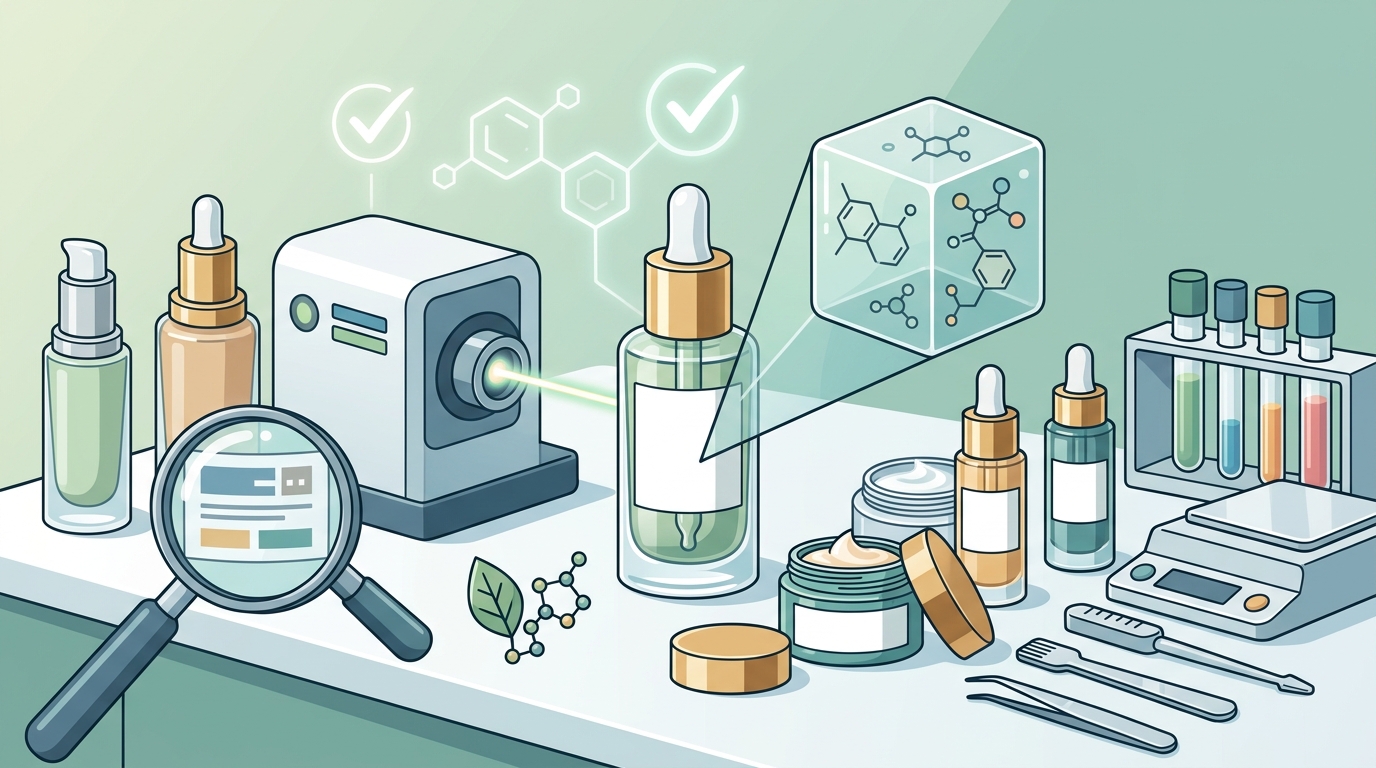
Good Manufacturing Practices (GMP) represent the quality control standards that ensure cosmetic products are consistently produced and controlled. The FDA is finalizing GMP rules for cosmetics, with enforcement anticipated in the coming years. Brands that already follow GMP voluntarily, like those with in-house research labs, are ahead of the curve.
Check Ingredients and Safety Databases
One of the most powerful tools available to consumers is the EWG Skin Deep database. Skin Deep is a free, public database of over 130,000 personal care products and their ingredients, launched in 2004 by the Environmental Working Group. Each product is rated using data from nearly 60 integrated toxicity, regulatory, and study availability databases.
How to Use Skin Deep Effectively
Search for a product by name or brand to see its hazard score (rated 1 to 10) and a breakdown of ingredient concerns. Products with both a low hazard rating and fair-or-better data availability are considered the safest. You can also download the EWG Healthy Living app to scan products while shopping in-store.
When evaluating brands, look for those that avoid parabens, phthalates, artificial fragrances, and PFAS. Forever Bloom, for instance, formulates its Biomimic Foundation without parabens, phthalates, or artificial fragrances.
Evaluate the Science Behind the Brand
A trustworthy beauty brand should be able to explain how its products work at the ingredient level. Look for brands that reference specific active compounds such as peptides, plant stem cells, and growth factors rather than vague buzzwords.
Biomimetic technology is a scientific approach that designs ingredients to mimic the body's own biological processes. Brands investing in this kind of research, such as Forever Bloom with its Biomimic technology and BRITE research institute, signal a serious commitment to efficacy over marketing fluff.
Red Flags to Watch For
Be wary of brands that rely solely on celebrity endorsements, make unsubstantiated anti-aging claims, or hide behind proprietary blends without disclosing key actives. Legitimate brands publish ingredient lists and explain the function of each component.
Spot Transparency Signals
Transparency goes beyond listing ingredients. Look for these signals when evaluating a beauty brand:
- Detailed "About" or "Science" pages that explain research methodology and sourcing practices
- Ethical sourcing statements covering biodiversity and community impact
- Satisfaction guarantees and clear return policies
- Third-party certifications such as EWG VERIFIED or cruelty-free designations
- Accessible customer support with a physical address and phone number (now required under MoCRA)
Forever Bloom, for example, maintains a dedicated About Us page detailing its ethical harvesting practices, biodiversity support, and cellular skincare philosophy. Its product pages include full ingredient benefits and a risk-free satisfaction guarantee.
Comparing Reliable vs. Unreliable Beauty Sources
| Criteria | Reliable Source | Unreliable Source |
|---|---|---|
| Ingredient Transparency | Full INCI list published; function of each active explained | Vague labels; "proprietary blend" with no details |
| Regulatory Compliance | FDA-registered facility; MoCRA compliant | No registration info; ignores new regulations |
| Scientific Backing | In-house research; named technologies (e.g., Biomimic) | Only testimonials or influencer claims |
| Safety Databases | Products appear on EWG Skin Deep with low hazard scores | No third-party safety data available |
| Return Policy | Clear satisfaction guarantee with refund option | No returns; vague or hidden policies |
| Sourcing Ethics | Ethical harvesting; biodiversity commitments | No sourcing information provided |
Key Takeaways
- MoCRA has strengthened FDA oversight of cosmetics since 2022, making regulatory compliance a key trust signal.
- The EWG Skin Deep database rates over 130,000 products and is the fastest way to check ingredient safety.
- Avoid brands that rely on vague buzzwords without disclosing specific active ingredients and their functions.
- Look for in-house research programs and named technologies as evidence of genuine scientific investment.
- Transparency markers include ethical sourcing statements, satisfaction guarantees, and accessible customer support.
- California-based brands like Forever Bloom combine cellular skincare science with non-toxic formulations and full ingredient disclosure.
- Always cross-reference marketing claims with independent databases and regulatory records before purchasing.
Frequently Asked Questions
What makes a beauty product "high quality"?
A high-quality beauty product uses well-researched, safe ingredients; follows Good Manufacturing Practices; provides full ingredient transparency; and delivers measurable results backed by science rather than marketing alone.
How do I check if a beauty brand is FDA compliant?
Under MoCRA, cosmetic facilities and products must be registered with the FDA as of July 2024. You can look for brands that reference their compliance publicly or check the FDA's Cosmetics Direct portal for registered products.
Is the EWG Skin Deep database trustworthy?
Yes. EWG Skin Deep compiles data from nearly 60 toxicity, regulatory, and study-availability databases. It has been a leading consumer resource since 2004 and is widely referenced by health organizations and retailers.
What ingredients should I avoid in skincare?
Common ingredients of concern include parabens, phthalates, formaldehyde-releasing preservatives, PFAS, and artificial fragrances. The EWG database and FDA guidance documents can help you identify these in product labels.
How does Biomimic technology work in beauty products?
Biomimic technology uses biomimetic peptides and plant stem cells that signal your skin to produce more collagen and elastin naturally. Brands like Forever Bloom use this approach to support cellular regeneration and de-aging without harsh chemicals.
Are expensive beauty products always better?
Not necessarily. Price does not guarantee safety or efficacy. Focus on ingredient quality, scientific backing, and third-party safety ratings rather than price alone.
What is greenwashing in the beauty industry?
Greenwashing occurs when brands use terms like "natural" or "clean" without substantiation. Since these terms are not legally regulated, always verify claims through ingredient lists and independent databases.
Where can I buy trustworthy beauty products online?
Purchase directly from brand websites that provide full ingredient transparency, such as Forever Bloom's online shop, or from retailers that require third-party safety certifications like EWG VERIFIED.
Your Next Step Toward Safer Beauty
Finding reliable beauty products does not have to be complicated. Start by bookmarking the EWG Skin Deep database, learn to read ingredient labels, and prioritize brands that invest in real science. If you are ready to experience cellular skincare backed by Biomimic technology, explore the Forever Bloom collection and discover what science-driven, non-toxic beauty looks like.